This page takes a deep dive into the history and legacy of Ten Outstanding Young Americans (TOYA), JCI USA’s longest running program – from its inception by Durward Howes, to the most recent class of honorees.
Origins
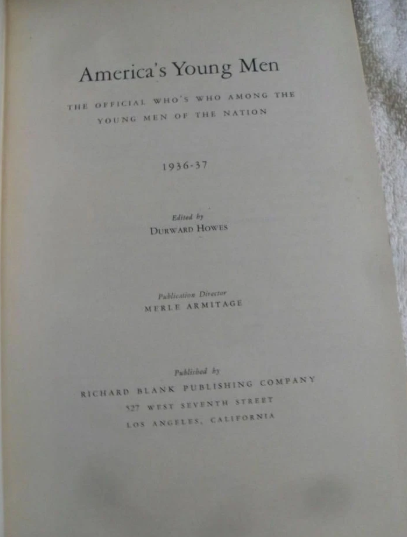
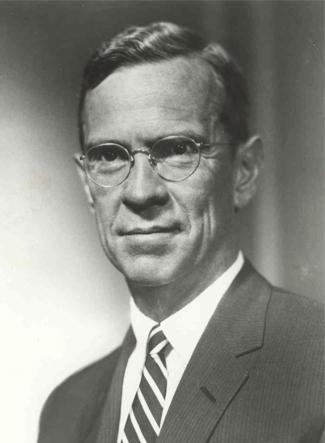
The concept for the program was created by Durward Howes, who published an annual volume called “America’s Young Men.” His list, from 1934-1936, were his own selections for the top twelve outstanding young men in the United States. In 1937, the list was cut down to ten, where it has stayed ever since.
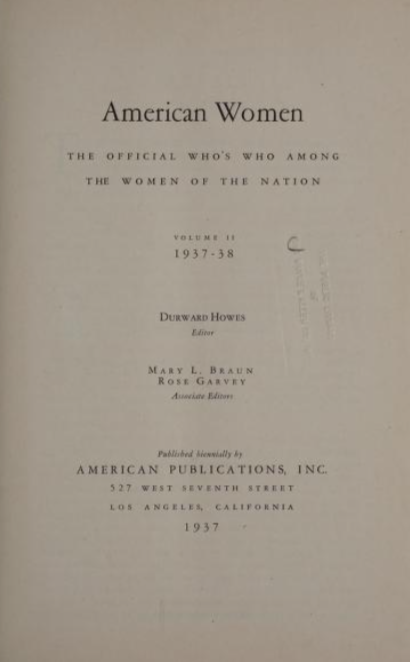
From 1935-1939, Durward Howes also published three reference books titled “American Women: The Official Who’s Who Among the Women of the Nation.” To create this collection of over 6,000 short biographies, over 15,000 questionnaires were sent to women’s organizations, universities, civic organizations, and more.
The Categories
Initially, the criteria for selection used the following categories:
Personal improvement or accomplishment;
Financial success or economic innovation;
Social improvement to major contemporary problems;
Philanthropic contribution or voluntary service;
Politics or government service; scientific or technological contributions;
Legal reform; cultural achievement (literature, history, education, arts);
Academic leadership or accomplishment;
Moral and religious leadership;
Athletic accomplishment;
Success in the influence of public opinion;
Any other important contribution to the community, state, or nation.
Currently, winners are selected on their achievement or contribution in at least three of the following areas:
Contribution to children, world peace and/or human rights
Humanitarian and/or voluntary leadership
Scientific and/or technological development
Personal improvement and/or accomplishment
Medical innovation
Copies of all entries are sent to screening judges who independently select and rank the twenty semi-finalists. The entries of the semi-finalists are sent to finalist judges who independently narrow the selection to the ten men and women selected as TOYA honorees.
The Trophy
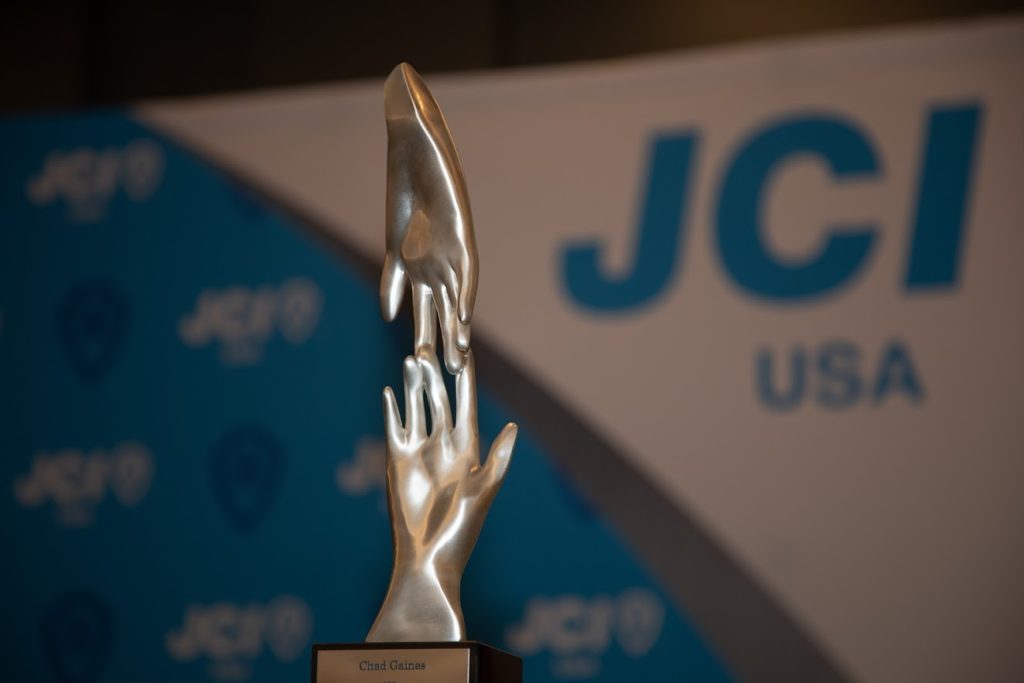
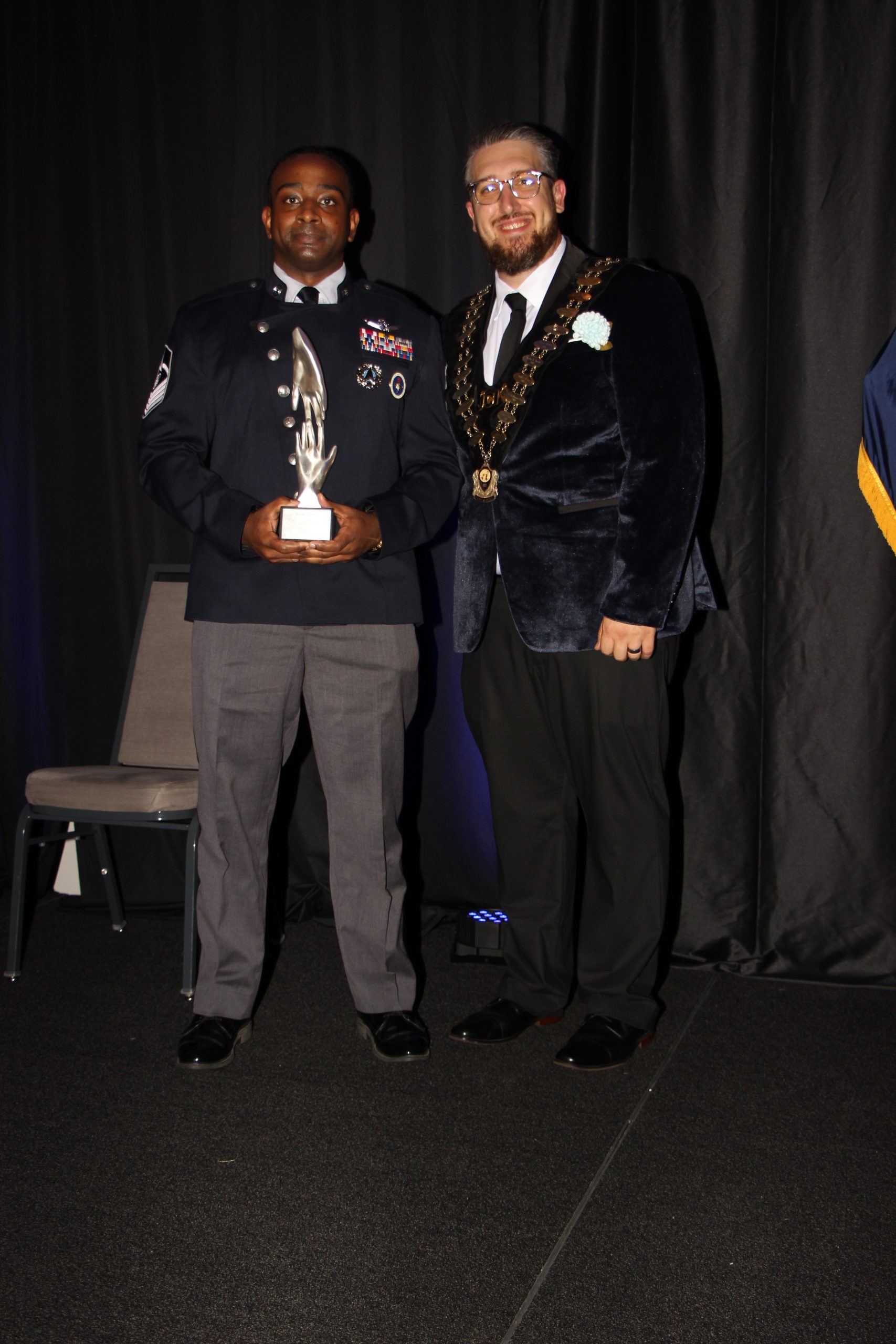
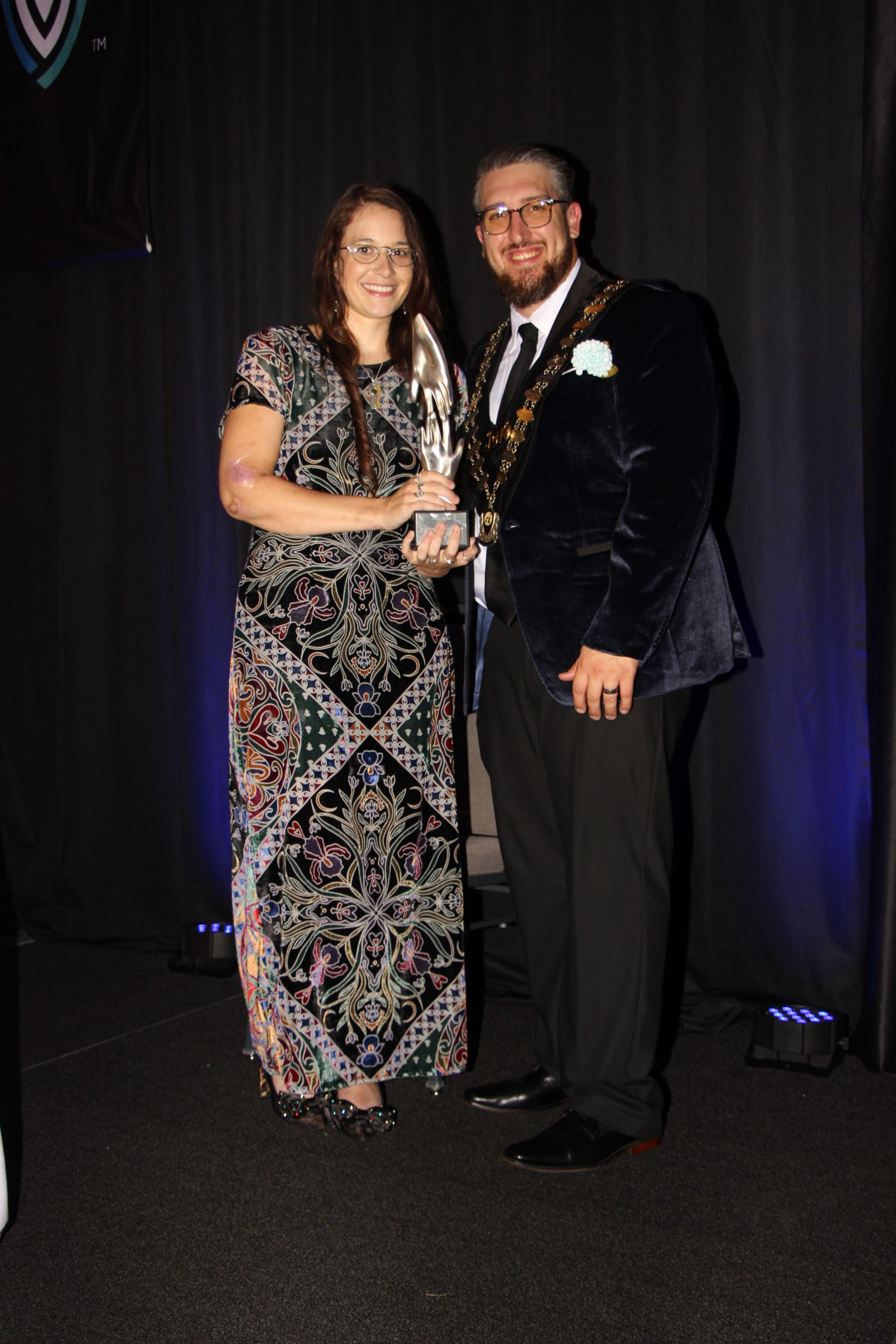
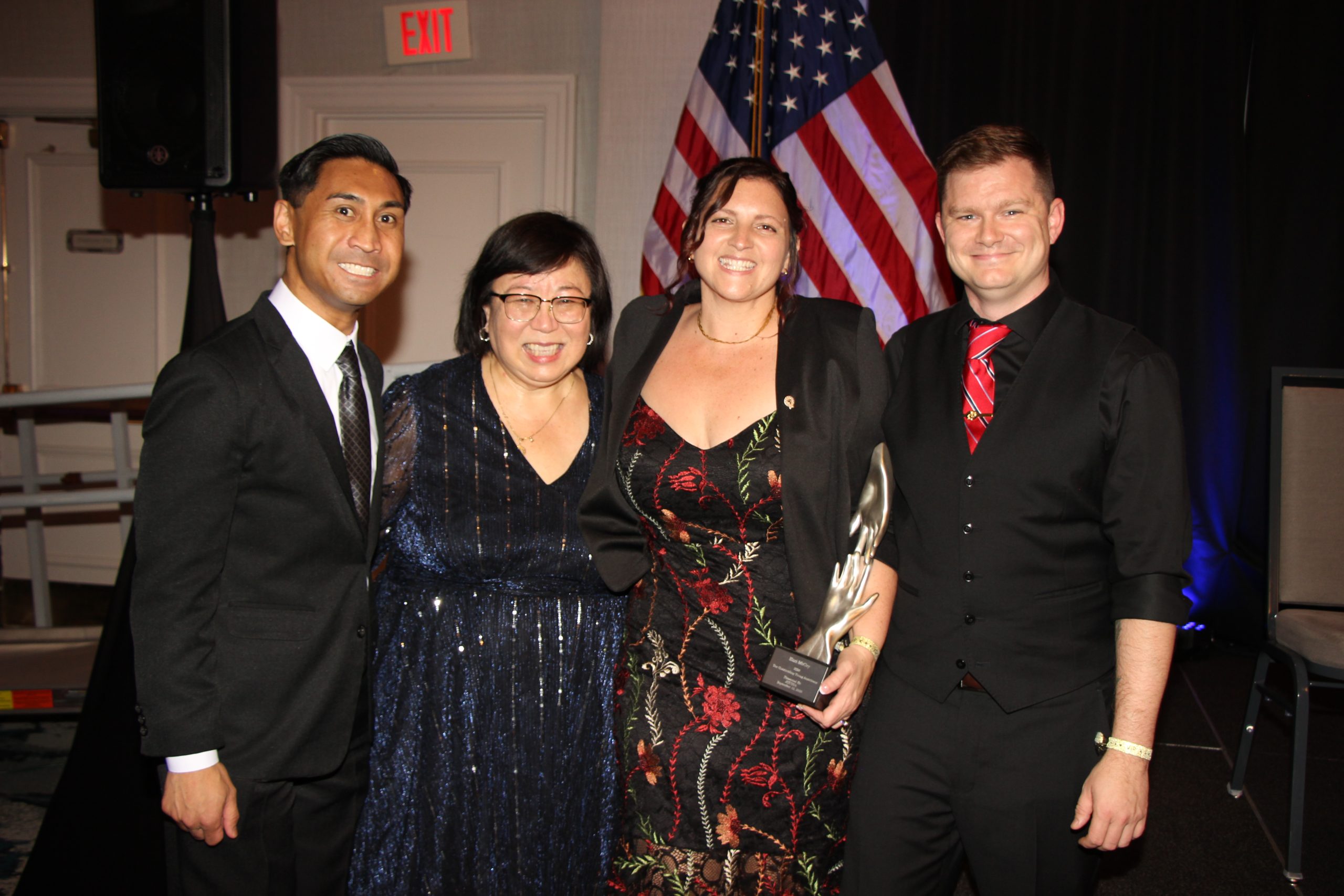
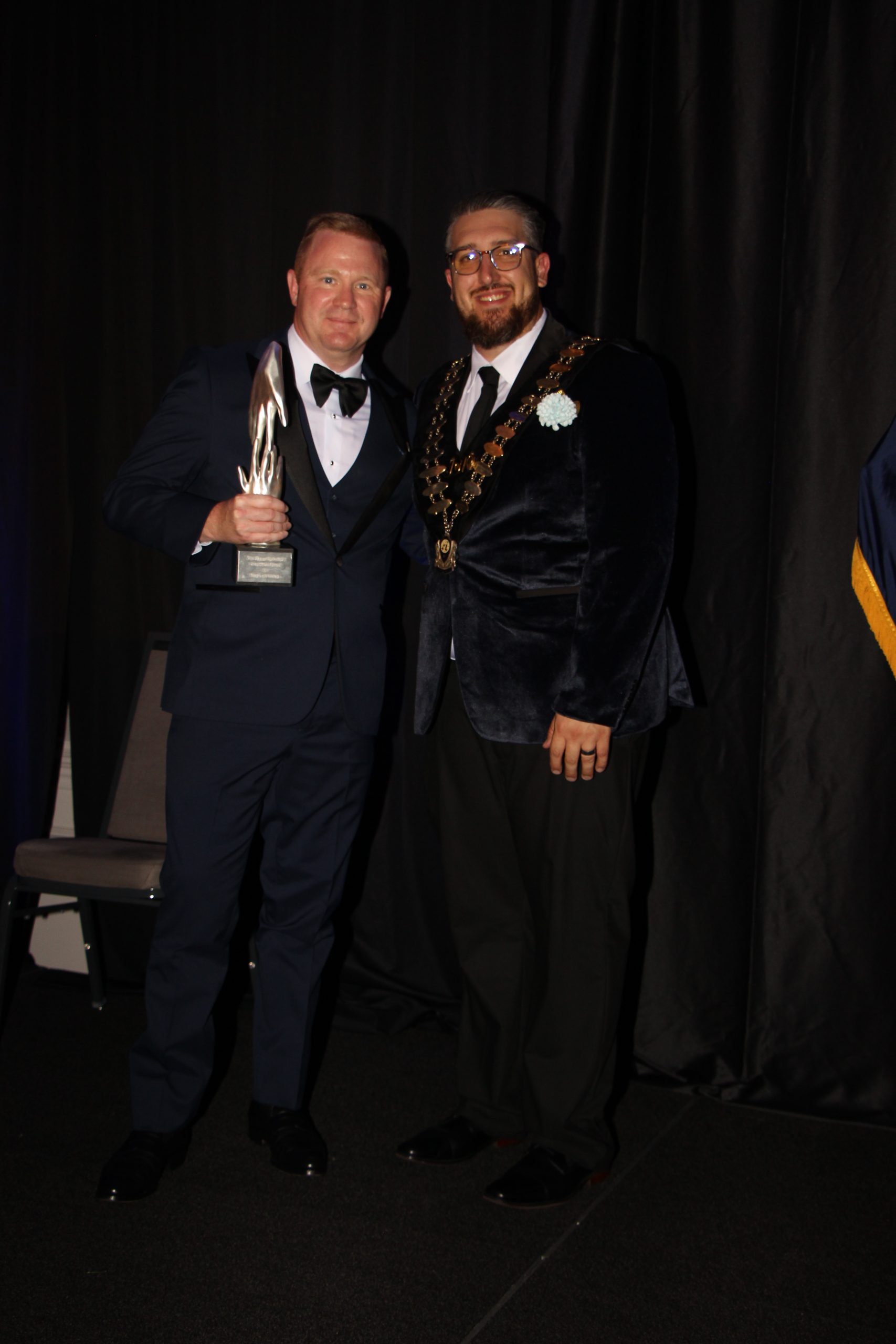
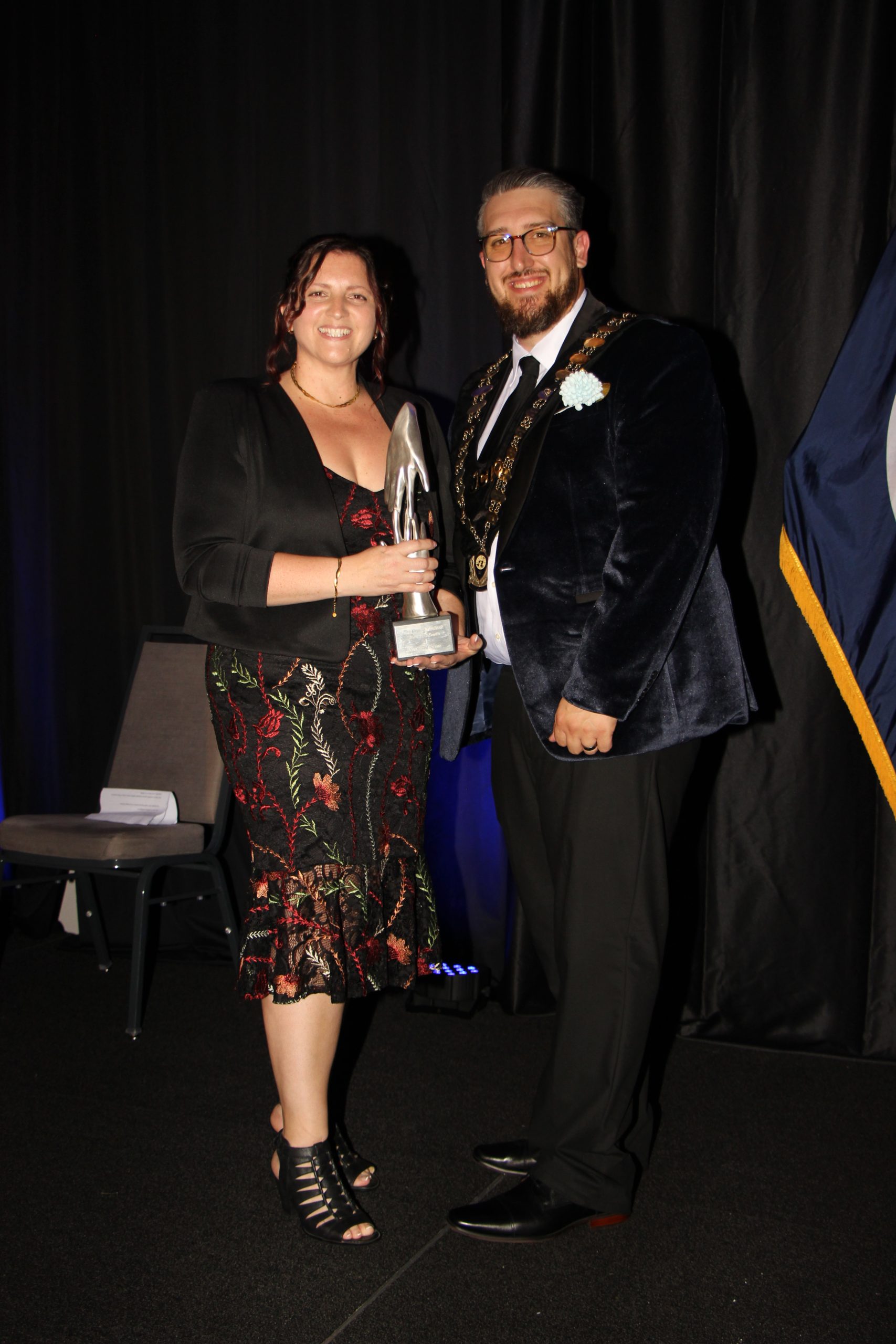
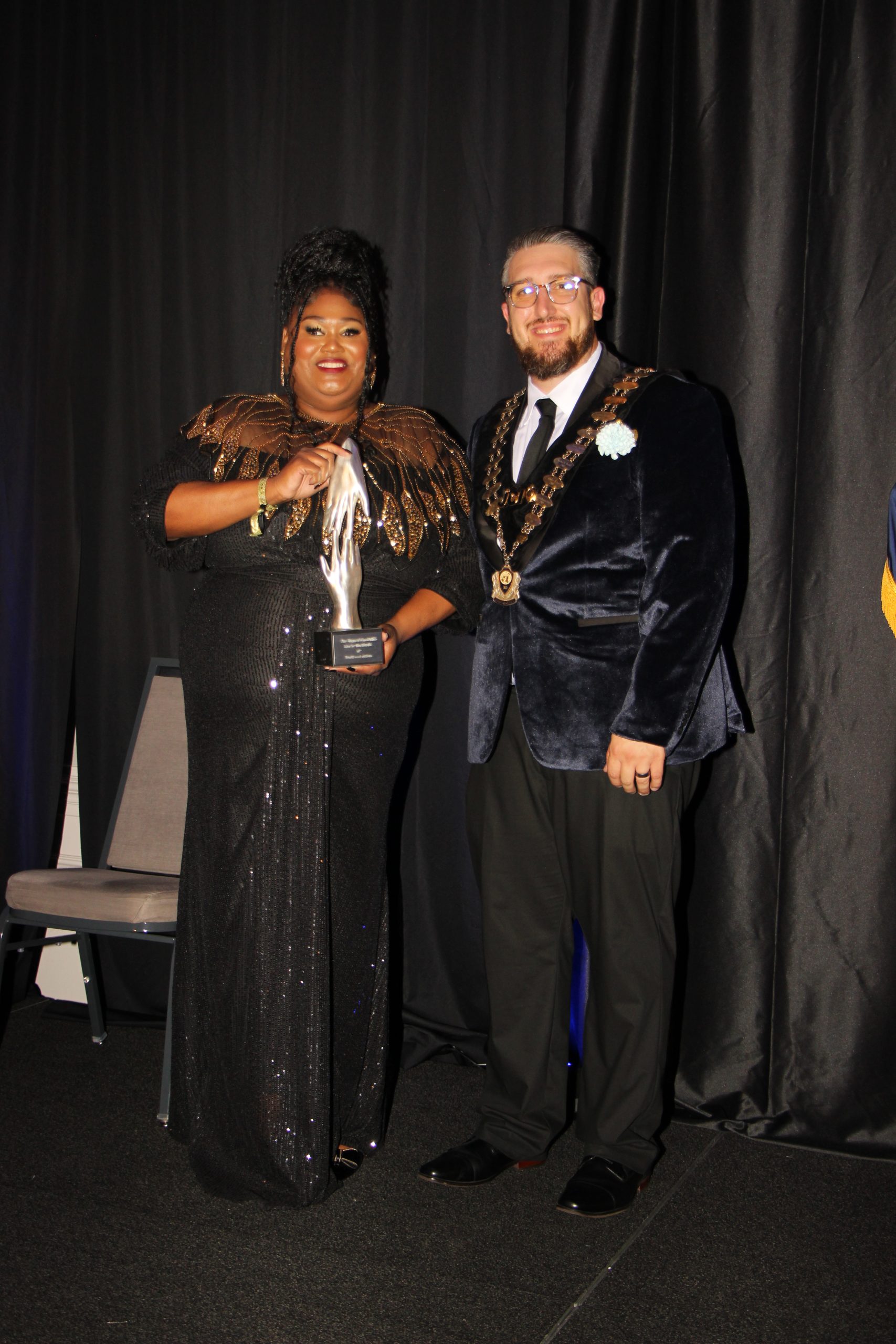
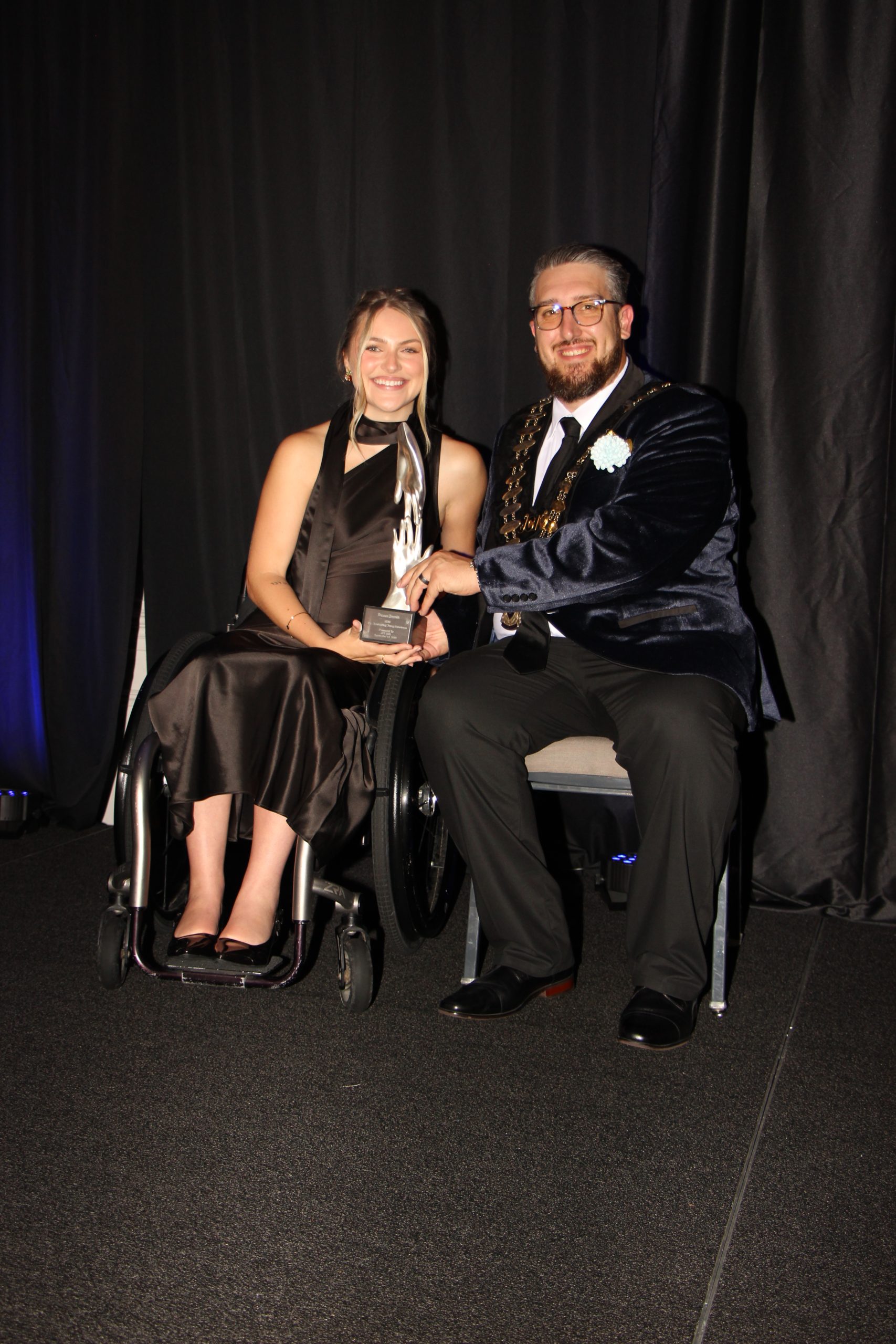
In 1954, recipient Arthur M. Kraft designed the “Silver Hands” trophy that each Honoree receives. The inscription on its base reads:
“The hope of mankind lies in the hands of youth and action.”
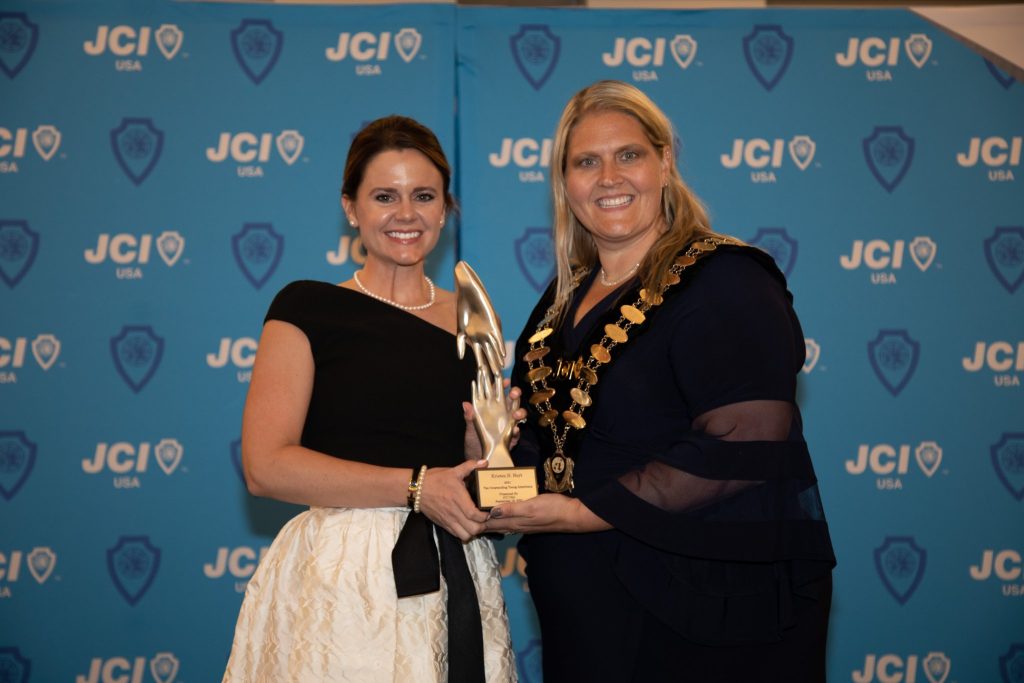
Each Honoree has shown a commitment to hope, reminding all Americans that no problem is too difficult when handled with grace, ingenuity, courage, and determination. The trophy is named the ‘JAYSON’, an acronym standing for “Jaycees: Active Youth Serving Our Nation.”
Each one weighs 11.5 lbs and is constructed of a marble base with nickel-plated hands. In addition to the artistically designed trophy, each honoree is presented with a framed certificate for display and a lapel pin that was designed and crafted by Erffmeyer & Sons Company from Milwaukee, Wisconsin.
The pin features the TOYA emblem surrounded by ten black onyx stones and is similar to the traditional Jaycee national officer pins. Both the certificate and pin is presented to each of the honorees on the day of the public presentation.
Notable Honorees: Class of 1938
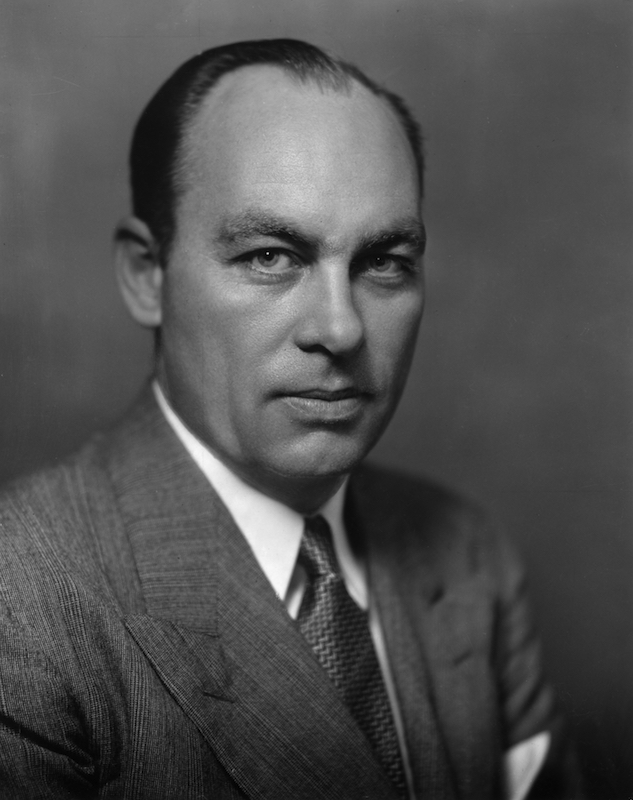
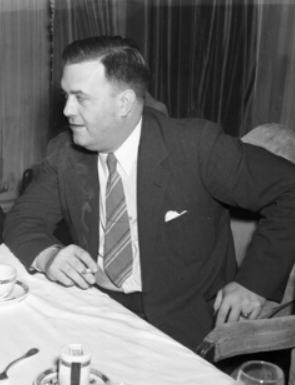
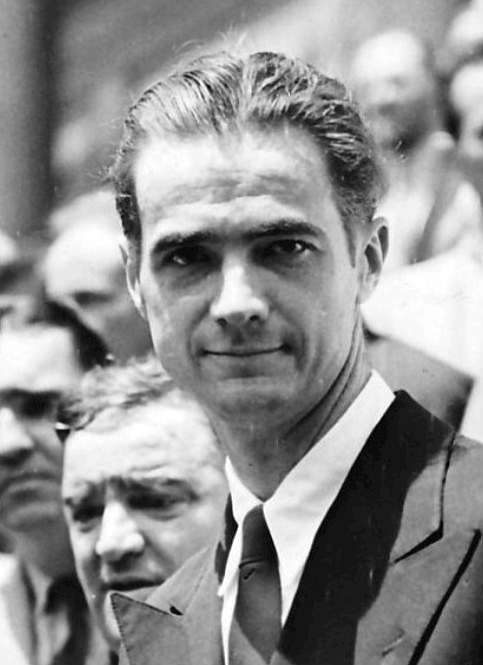
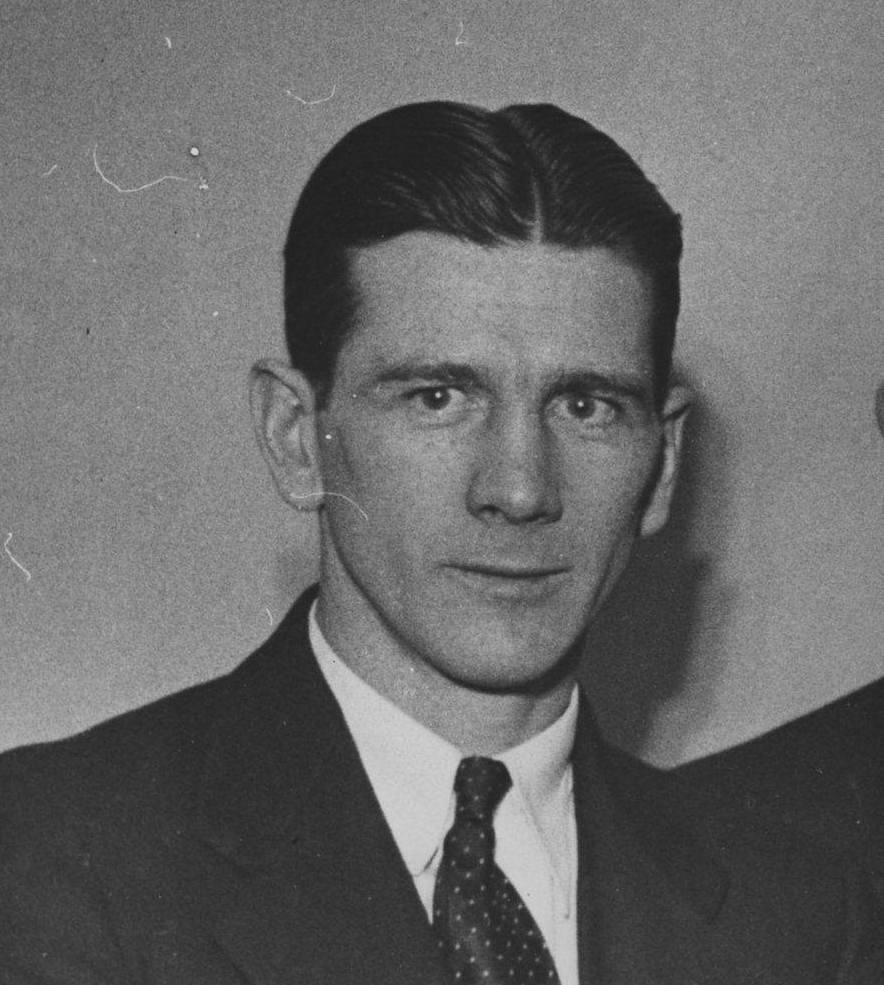
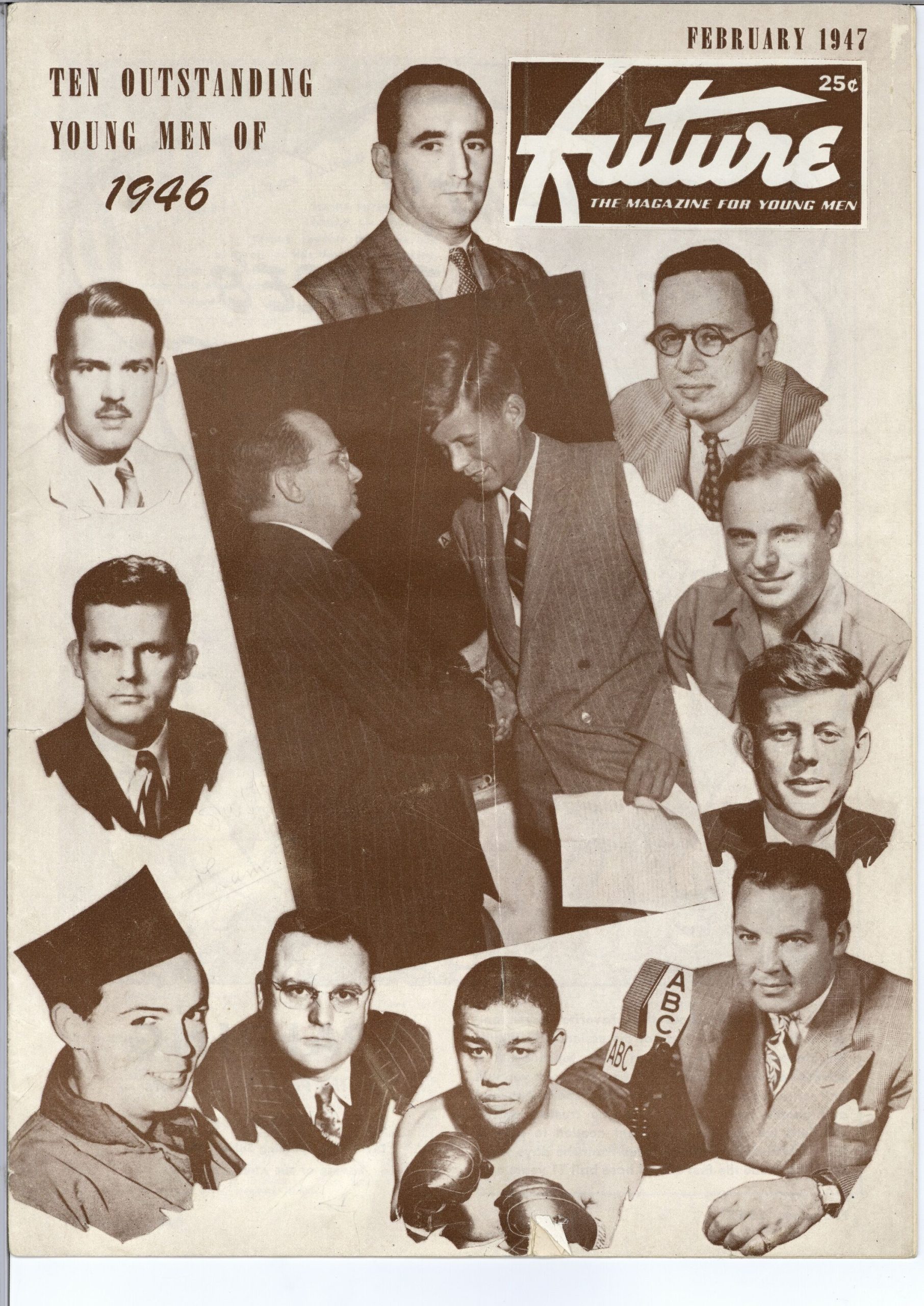
The inaugural class of TOYM recipients in 1938, announced in January 1939 by Future Magazine, still ranks as one of the most famous:
Louis Adamic
Born in what is now Slovenia, Louis Adamic emigrated to the US at 15 years old. An author and translator, he is mostly known for writing about and advocating for ethnic diversity in the US. His book, The Native’s Return, gave Americans their first real knowledge of the Balkans. He later became the editor of Common Cause magazine.
Douglas Corrigan
Douglas “Wrong-Way” Corrigan was an American aviator who gained fame in 1938 for his unauthorized transatlantic flight. Because of his modified monoplane, the Bureau of Commerce refused to approve a transatlantic flight. He flew from Long Beach, CA to Brooklyn, NYC, and was meant to fly back. However, claiming that he became disoriented in the thick clouds, he flew to Ireland instead. Despite having his license suspended for 14 days, Corrigan became a national hero, receiving a ticker-tape parade in downtown Manhattan after returning to America by ship, wrote an autobiography, and even starred as himself in a movie released just one year later.
Dr. George Gallup
Pioneer of survey sampling techniques and inventor of the Gallup poll – a statistically based, survey sampled measure of public opinion. In 1936, his new organization achieved national recognition by correctly predicting that Franklin Roosevelt would defeat Alf Landon in the US presidential election, besting a poll based on over two million returned questionnaires conducted by the widely respected Literary Digest magazine. Gallup’s poll was based on a more representative sample of the American electorate, reflected in just 50,000 selectively chosen respondents.
Philip C Ebeling
Attorney and 19th president of the United States Junior Chamber of Commerce. He chaired St. Elizabeth’s Hospital capital drive, was an active director of the Community Chest (a precursor to the United Way), and president of the Dayton Area Chamber of Commerce.
Howard Hughes
Aviator, aerospace engineer, business magnate, film producer, and investor. Produced Hell’s Angels and Scarface. Founded Hughes Aircraft Company and broke multiple air speed world records.
Elmer Layden
Football player, coach, college athletics administrator, and professional sports executive. Played college football for the Notre Dame Fighting Irish, where he starred at fullback as a member of the legendary “Four Horseman” backfield. Commissioner of the NFL from 1941-1946.
William M Martin Jr.
Following a brief career as a stockbroker, the younger Martin became the first salaried president of the New York Stock Exchange in 1938. After the US entered WWII, Martin enlisted in the Army as a private but quickly garnered promotions, rising to the rank of colonel by the end of the war. He served as the 9th chairman of the Federal Reserve from 1951 to 1970, making him the longest holder of that position.
Orson Welles
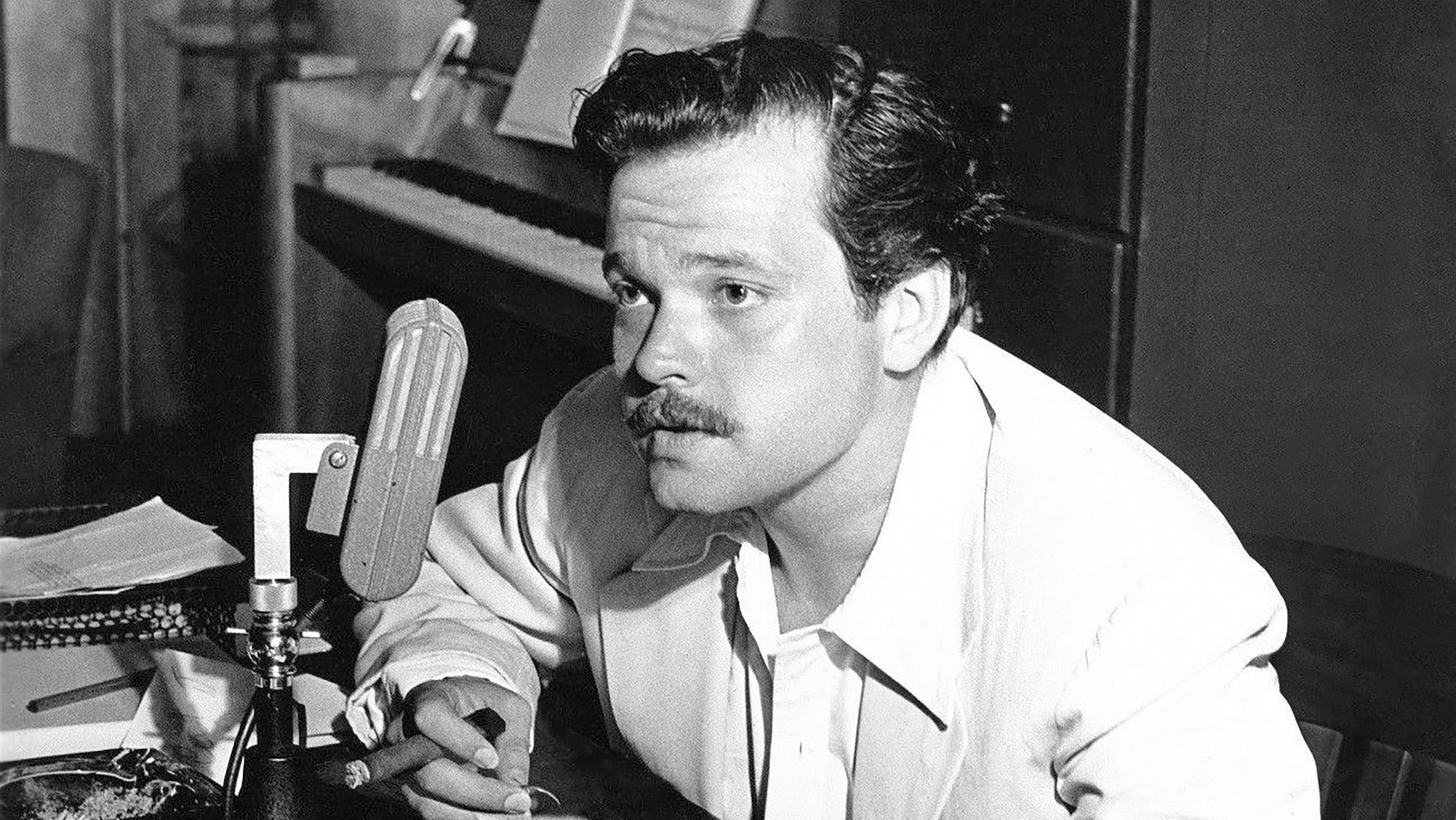
Actor, director, and writer in radio, film and TV. At 21 years old, Welles directed high-profile stage productions for the Federal Theatre Project in New York City – starting with a celebrated 1936 adaption of Macbeth with an African American cast, and ending with the political musical The Cradle Will Rock in 1937. Best known for the film Citizen Kane and the War of the Worlds radio broadcast.
Rudy Vallee
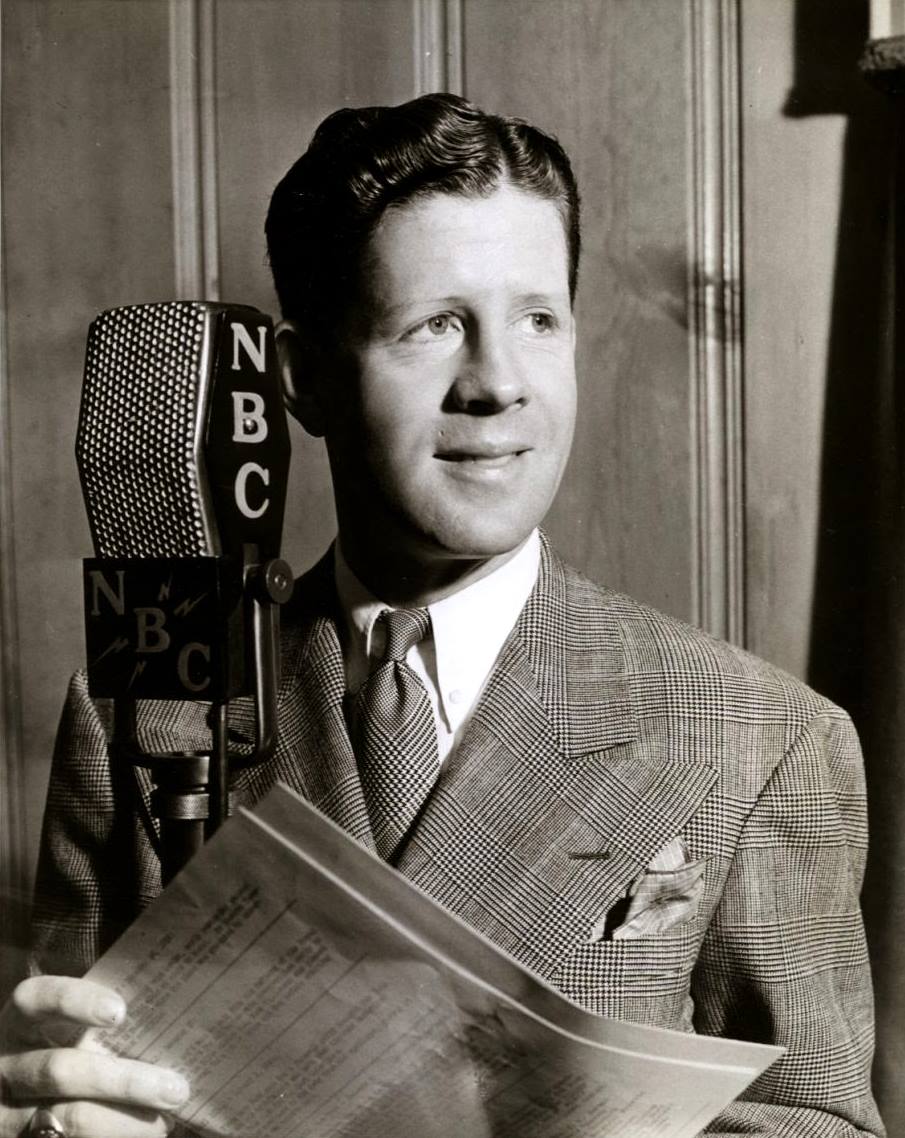
Singer, musician, actor, and radio host. He was one of the first modern pop stars of the teen idol type. His vocal style set the mold for younger singers such as Bing Crosby, Perry Como, and Frank Sinatra.
Paul C Smith
After 3 years in investment banking, Smith entered the newspaper business as a reporter. He freelanced as a foreign correspondent throughout Europe until 1933, when he joined The San Francisco Chronicle as a financial editor. He became editor in chief a year later, and editor and general manager in 1937, at 26 years old.
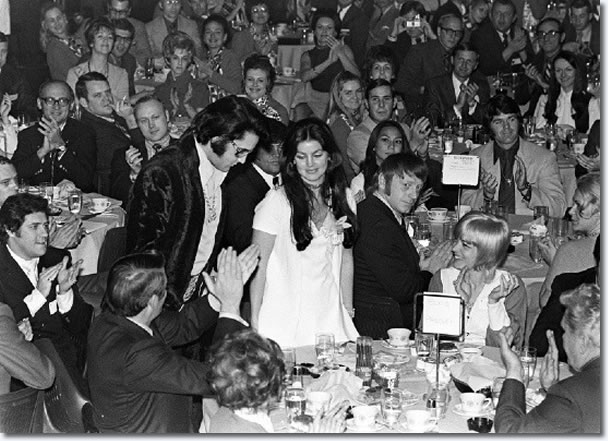
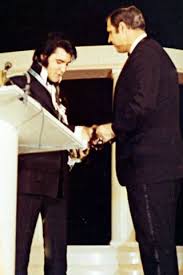
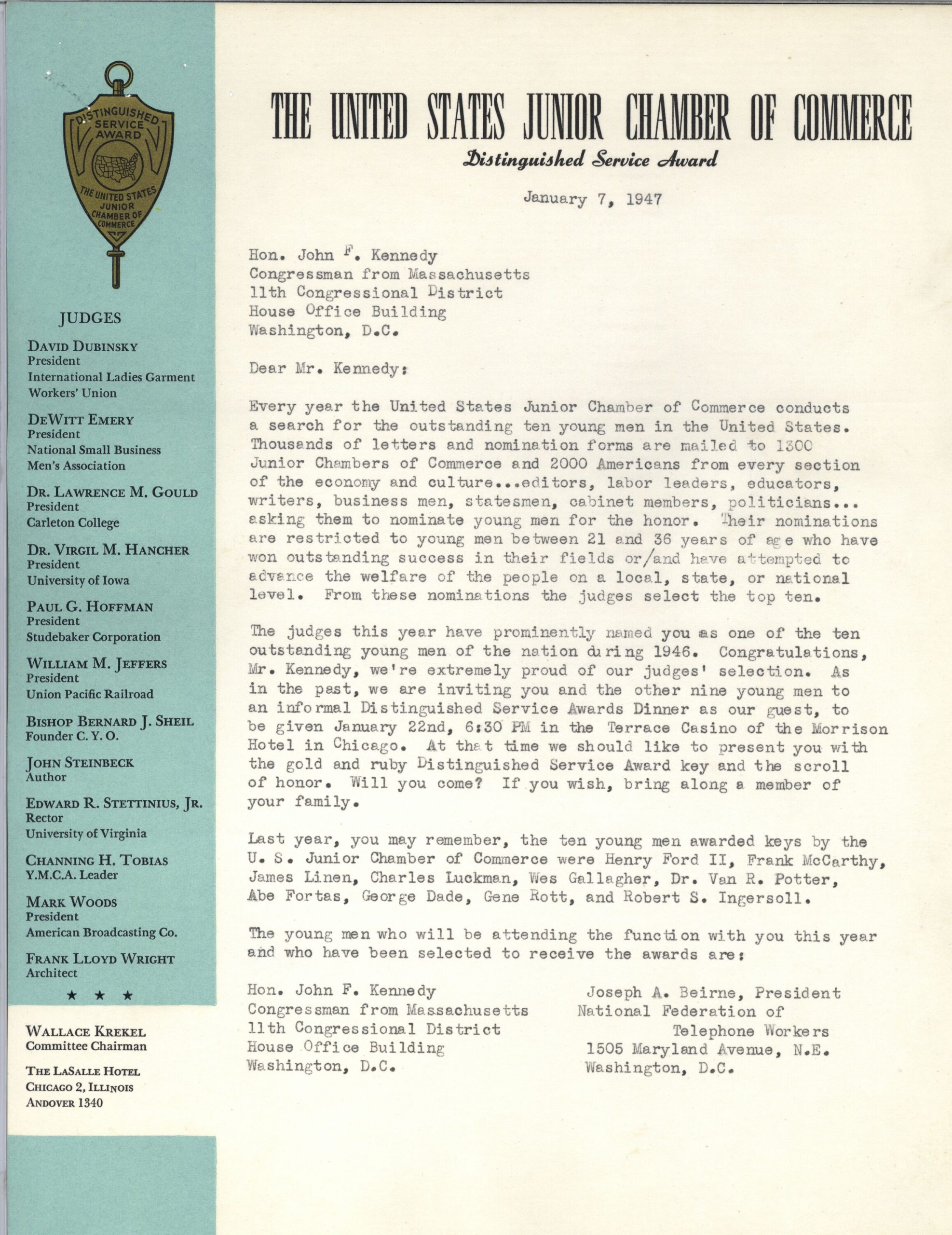
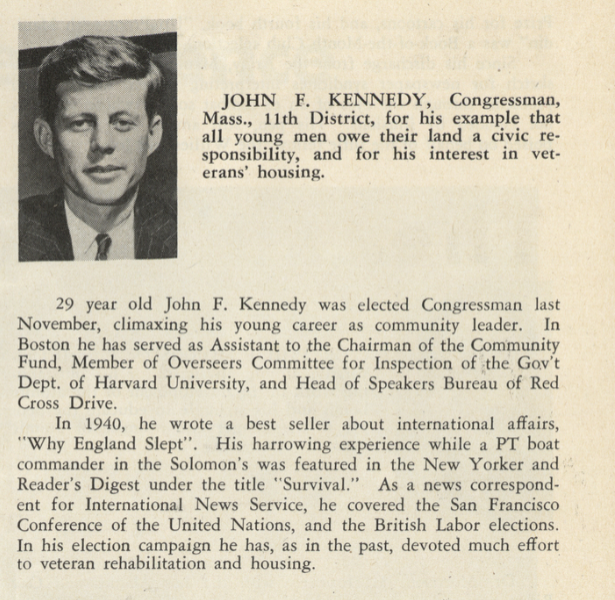
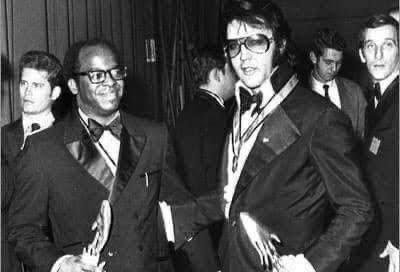
Other notable honorees include John F Kennedy (class of 1946) and Elvis Presley (class of 1970). Click the images at the right to take a closer look!
The 1971 TOYM awards ceremony was held in Elvis’ hometown of Memphis, TN. He viewed the award as his initiation into the mainstream, and as acceptance by his peers for his contributions as a humanitarian and entertainer.
The trophy he received became one of his most treasured possessions, which he took with him on the road. The trophy, as well as the tuxedo he wore to the ceremony that night, have been kept on display at Graceland and is seen by thousands of visitors every day. It was the only award Elvis ever accepted in person.
1984: Brown v. United States Jaycees
Up until the 1980s, many organizations like the Jaycees and Rotary Club had exclusive limitations on their membership. Around this time, a grassroots movement beginning in Wisconsin advocated for women to become full members of the US Junior Chamber of Commerce. At the time, women were not allowed to be members, but many were part of a separate organization, the Jaycettes.
When chapters in Minnesota began admitting women, the national organization threatened to revoke their charter. The Minnesota charters responded by filing charges with the Minnesota Department of Human Rights, saying the Minnesota Human Rights Act required the local charters to accept women. The case went all the way to the Supreme Court in July 1984, where it was ruled that states could stop private civic groups from discriminating based on sex. The following month, the organization held a national special meeting to amend the bylaws to permit women as regular members.
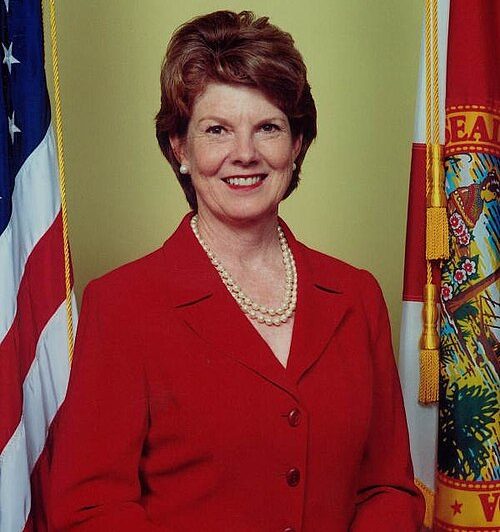
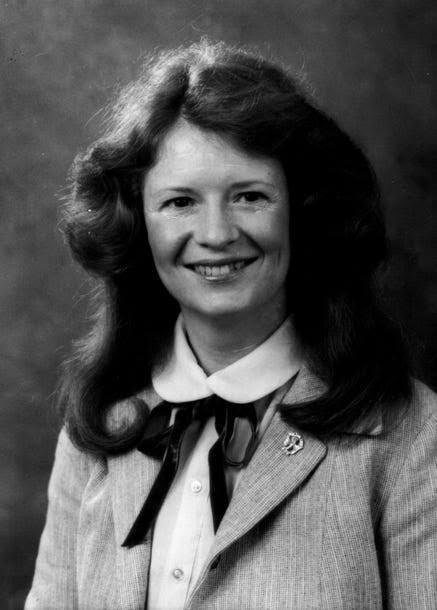
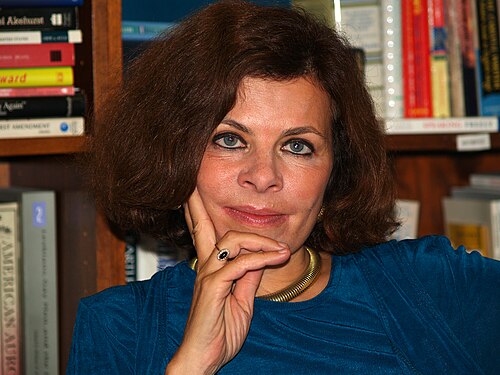
Following this change, the “Ten Outstanding Young Men” program changed to “Ten Outstanding Young Americans,” as we know it today. In 1986, the first three women were honored:
Glenda Hood
The first woman to serve as the mayor of Orlando, Florida. She also served as the president of the National League of Cities, the Florida League of Cities, and the Florida Chamber of Commerce.
Debbie Stabenow
Served in the Michigan House of Representatives from 1979-1990. She became a force in state Democratic politics and the first woman to preside over the House. Michigan’s first female senator, serving from 2001-2005.
Nadine Strossman
Legal scholar and civil liberties activist, she served as the first female president of the American Civil Liberties Union (ACLU) from 1991-2008.
TOYA Today
The Gala
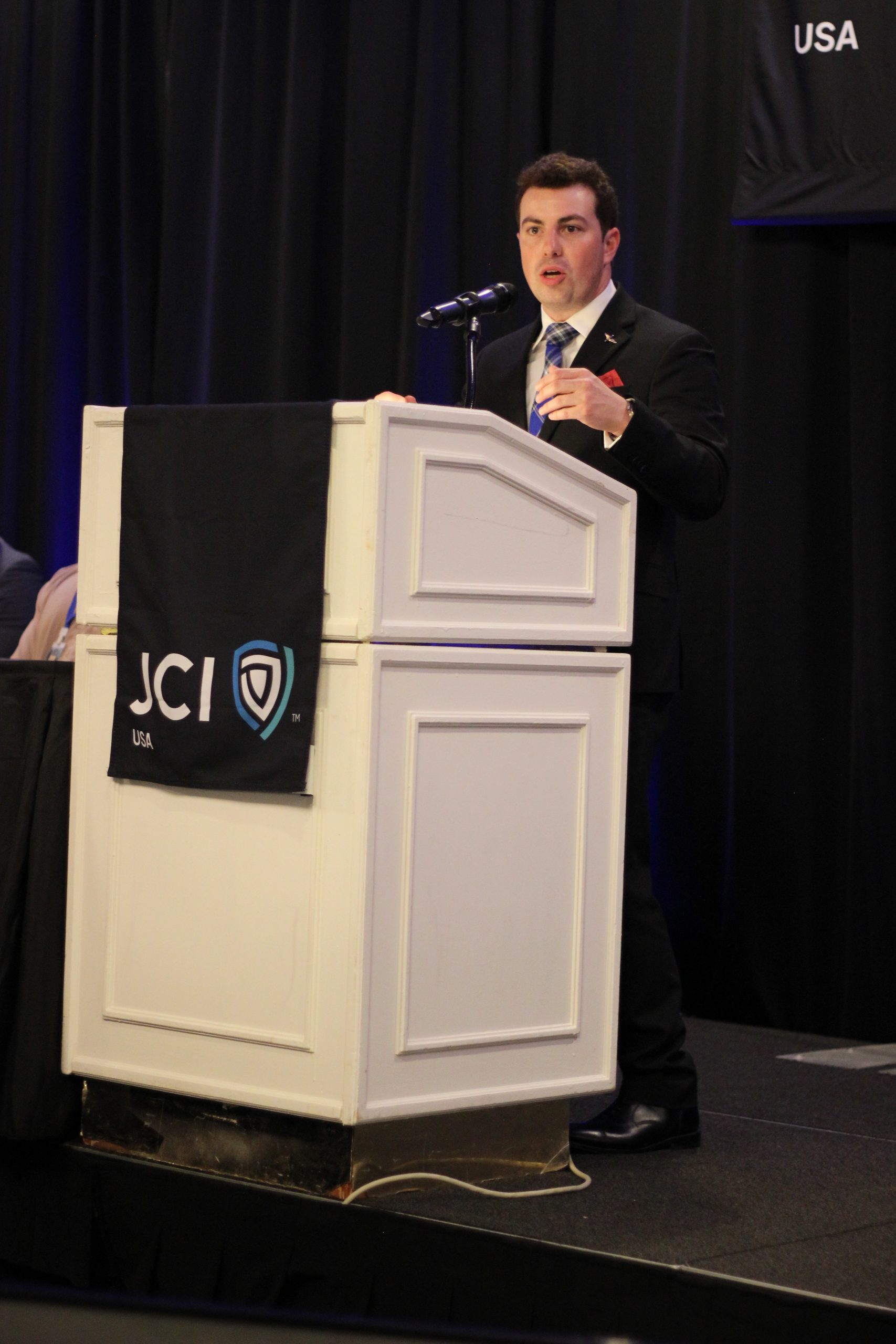
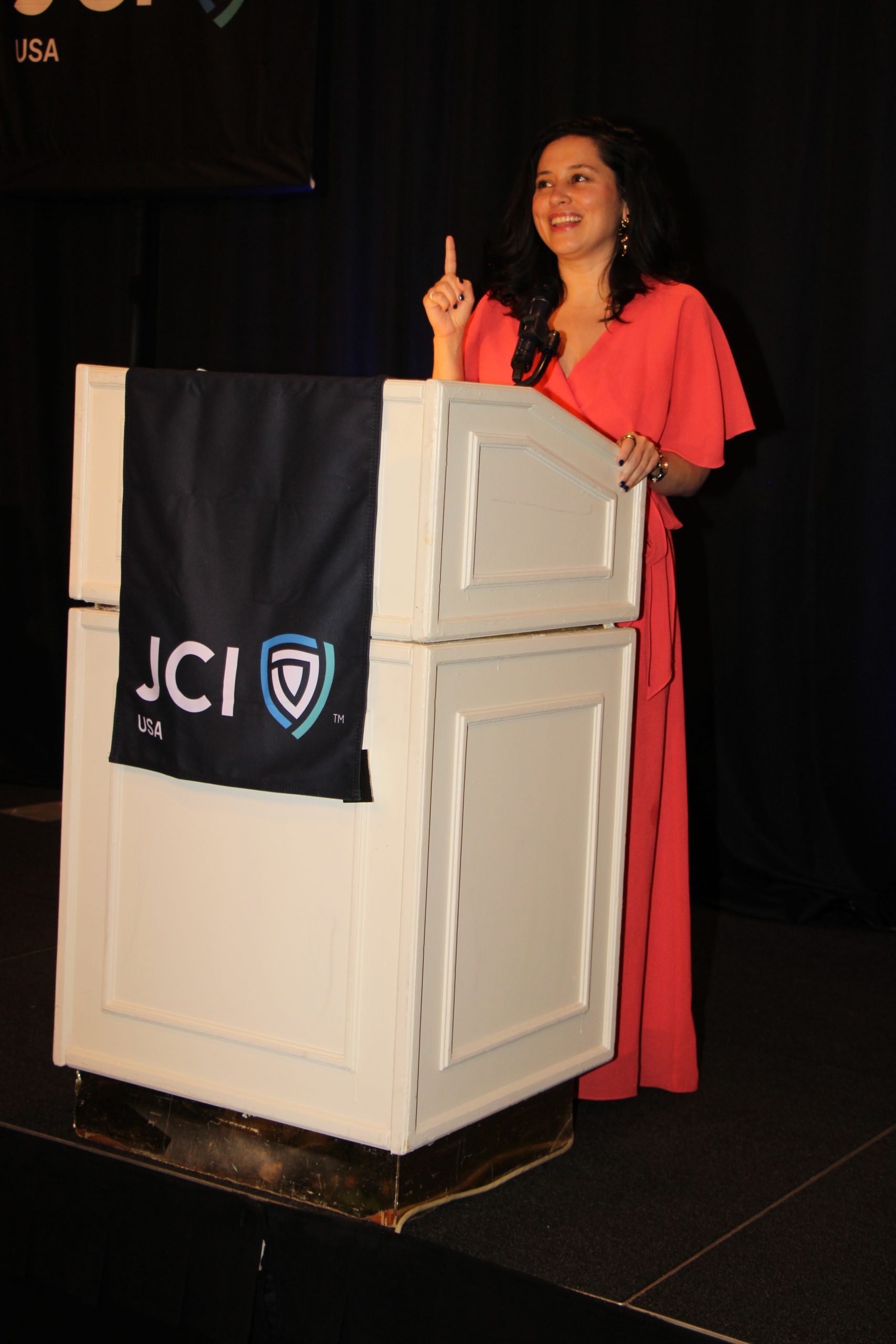
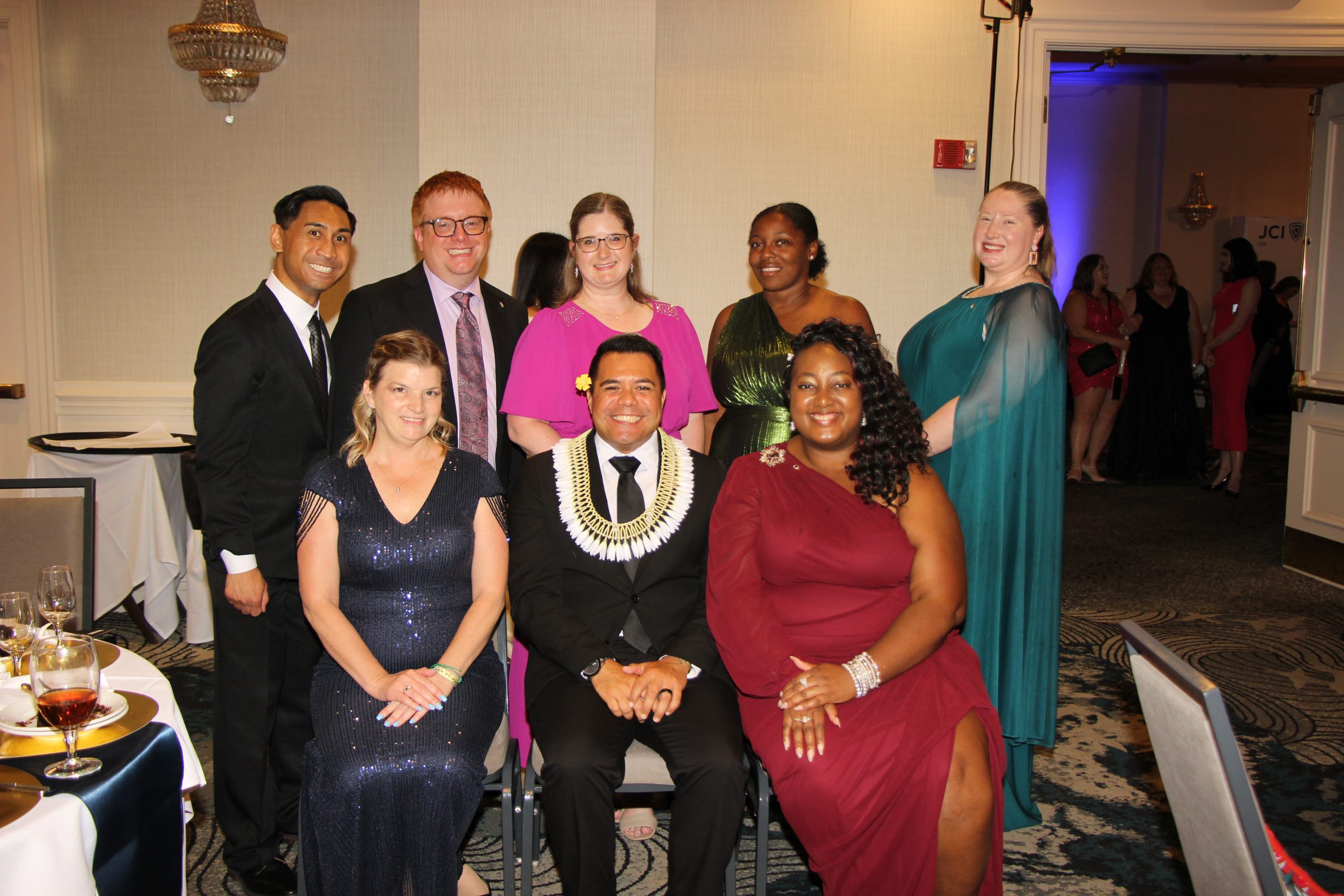
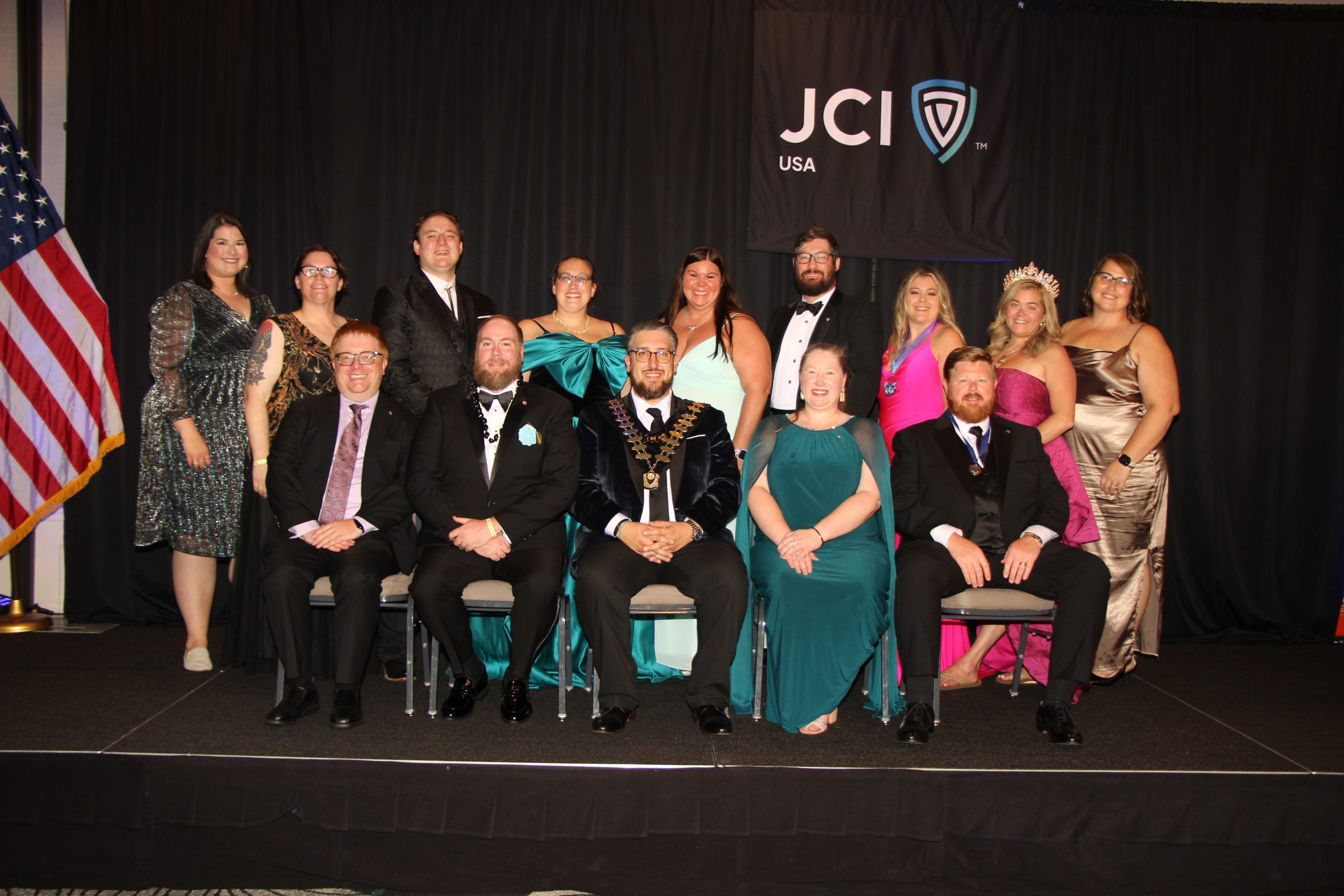
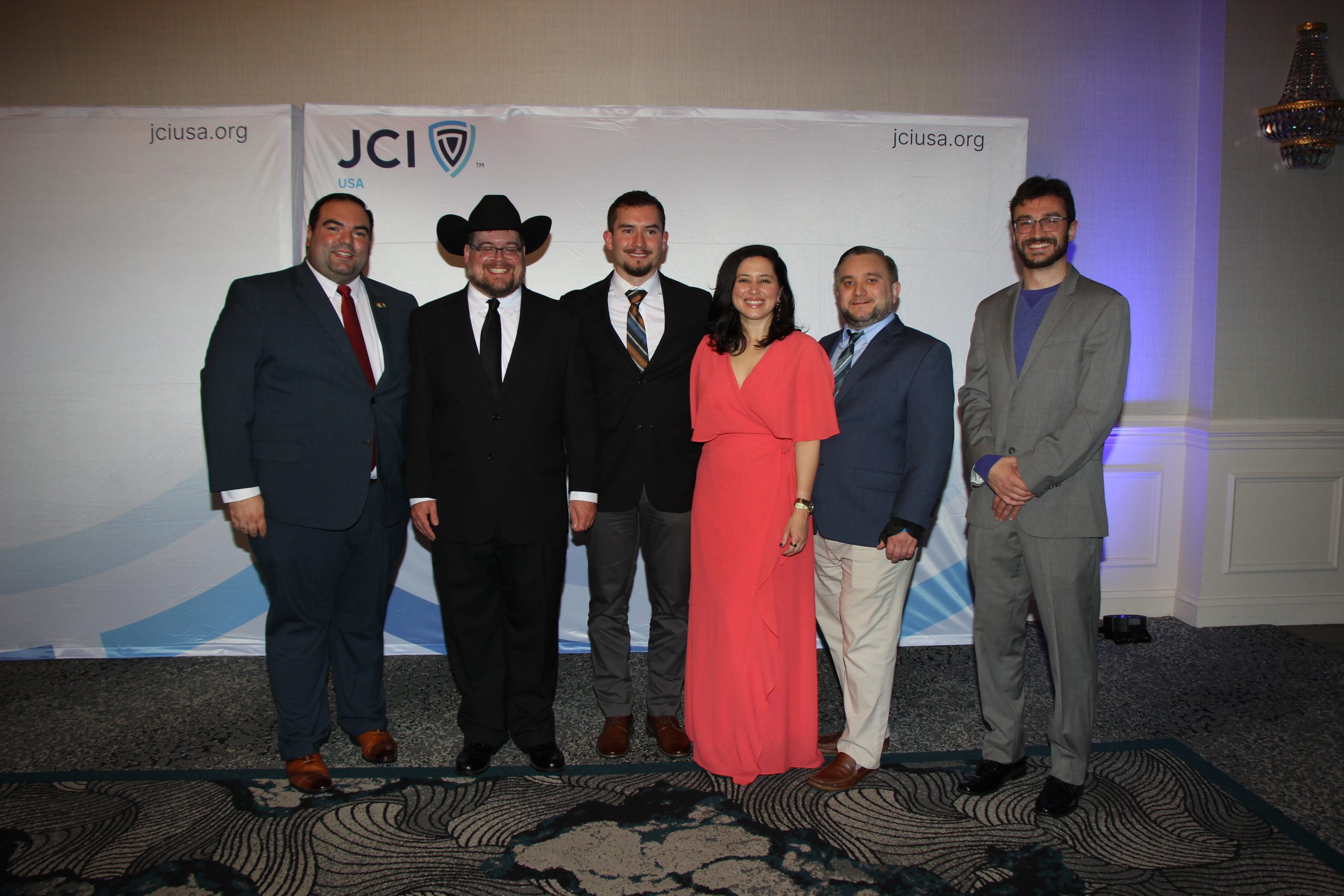
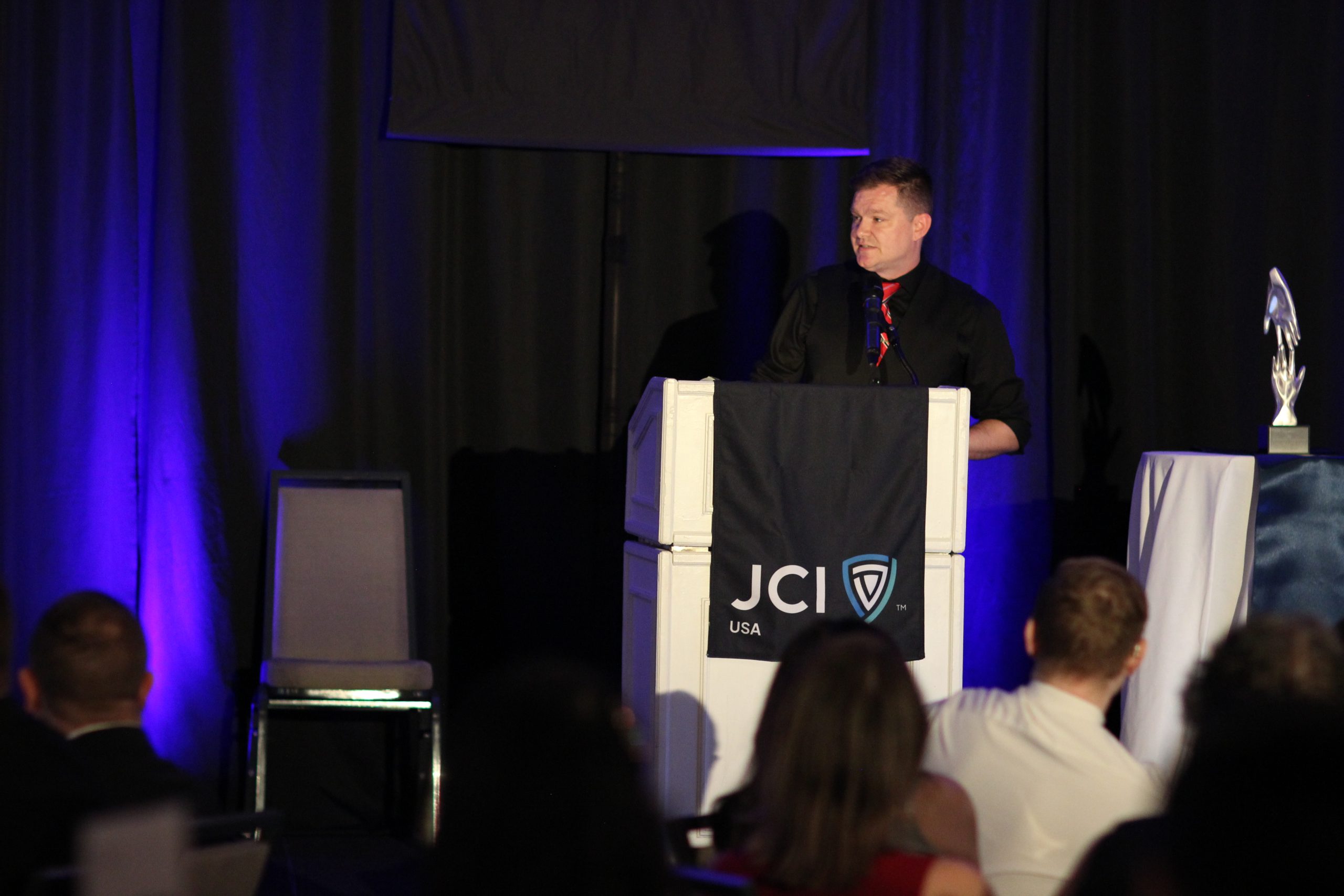
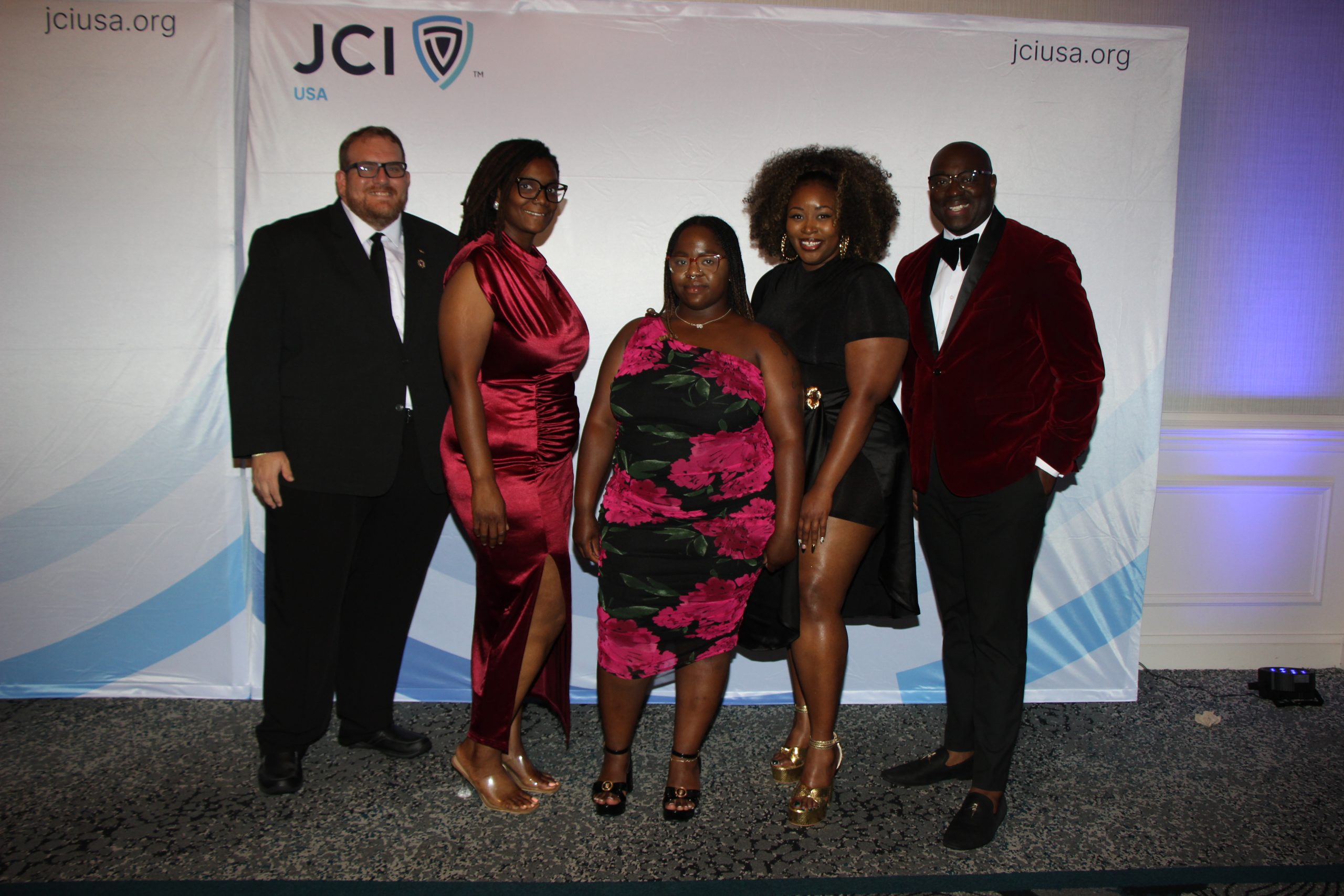
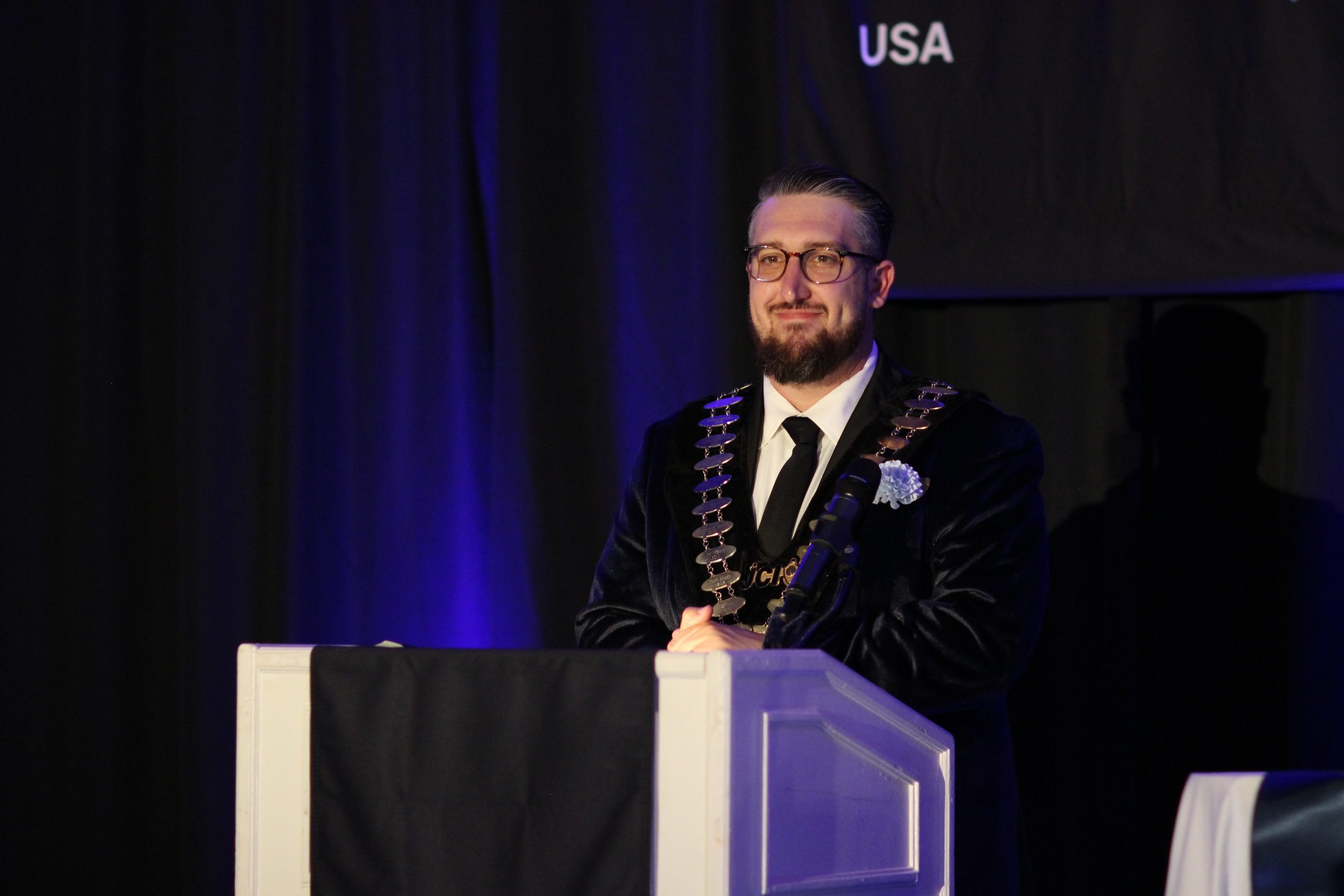
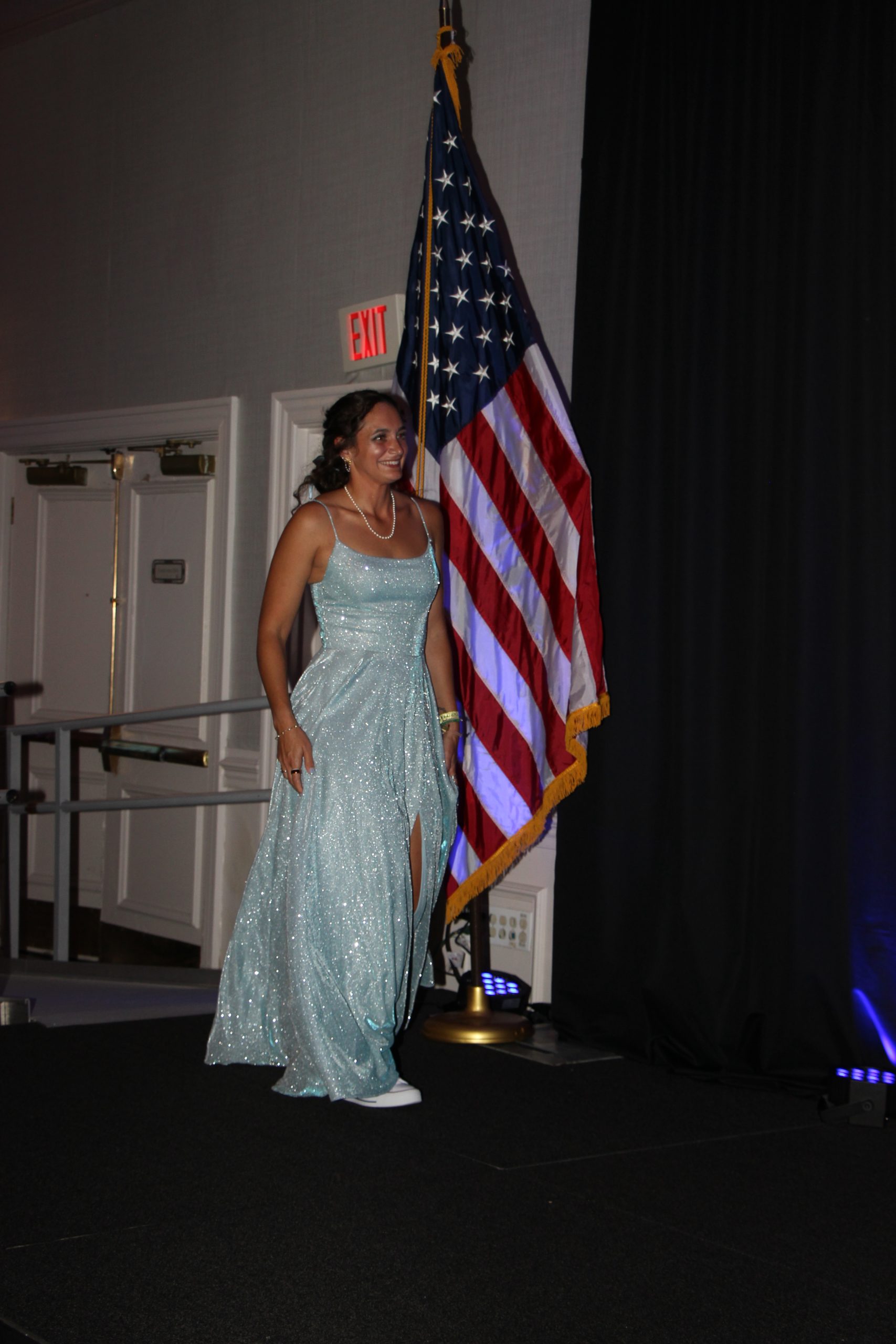
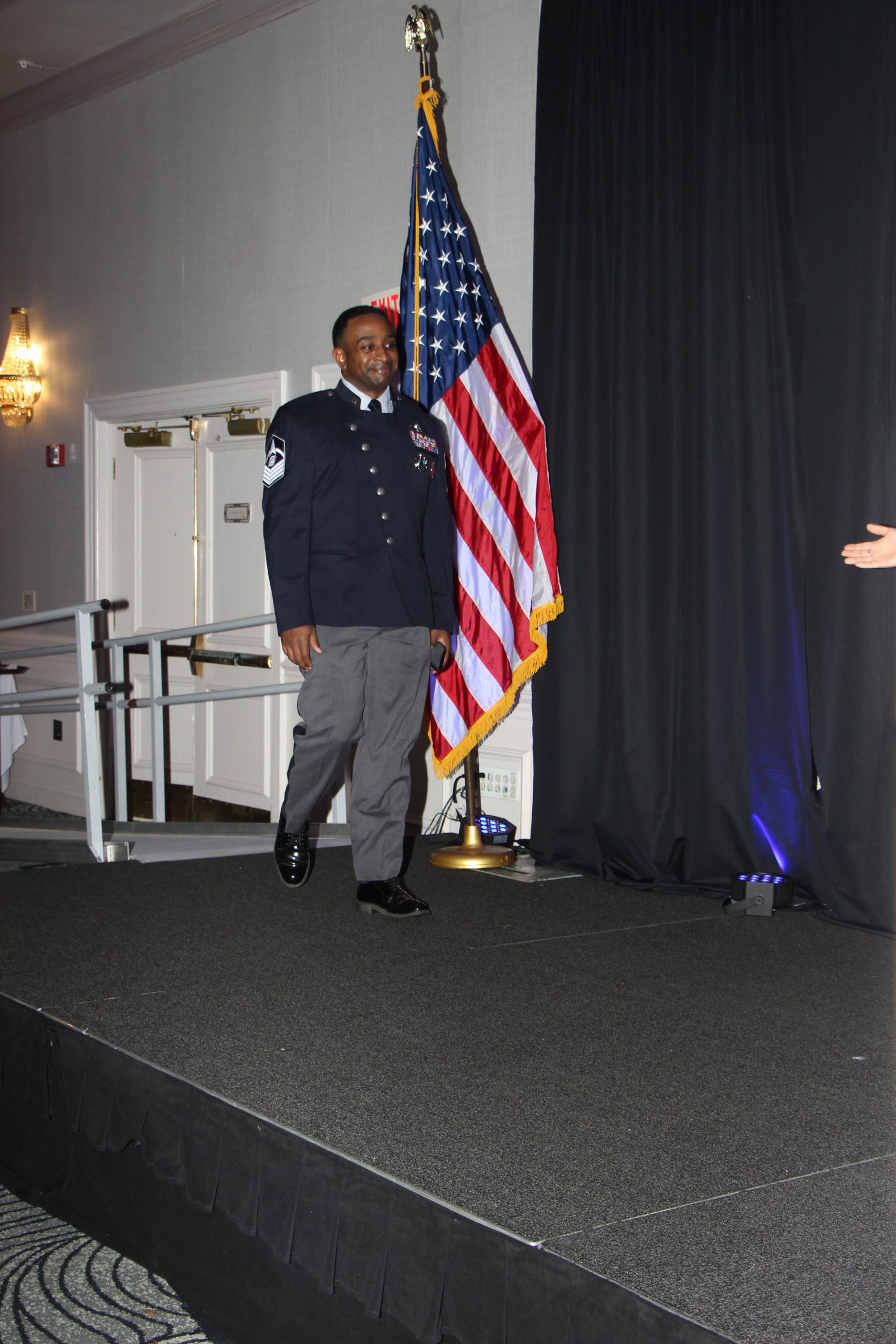
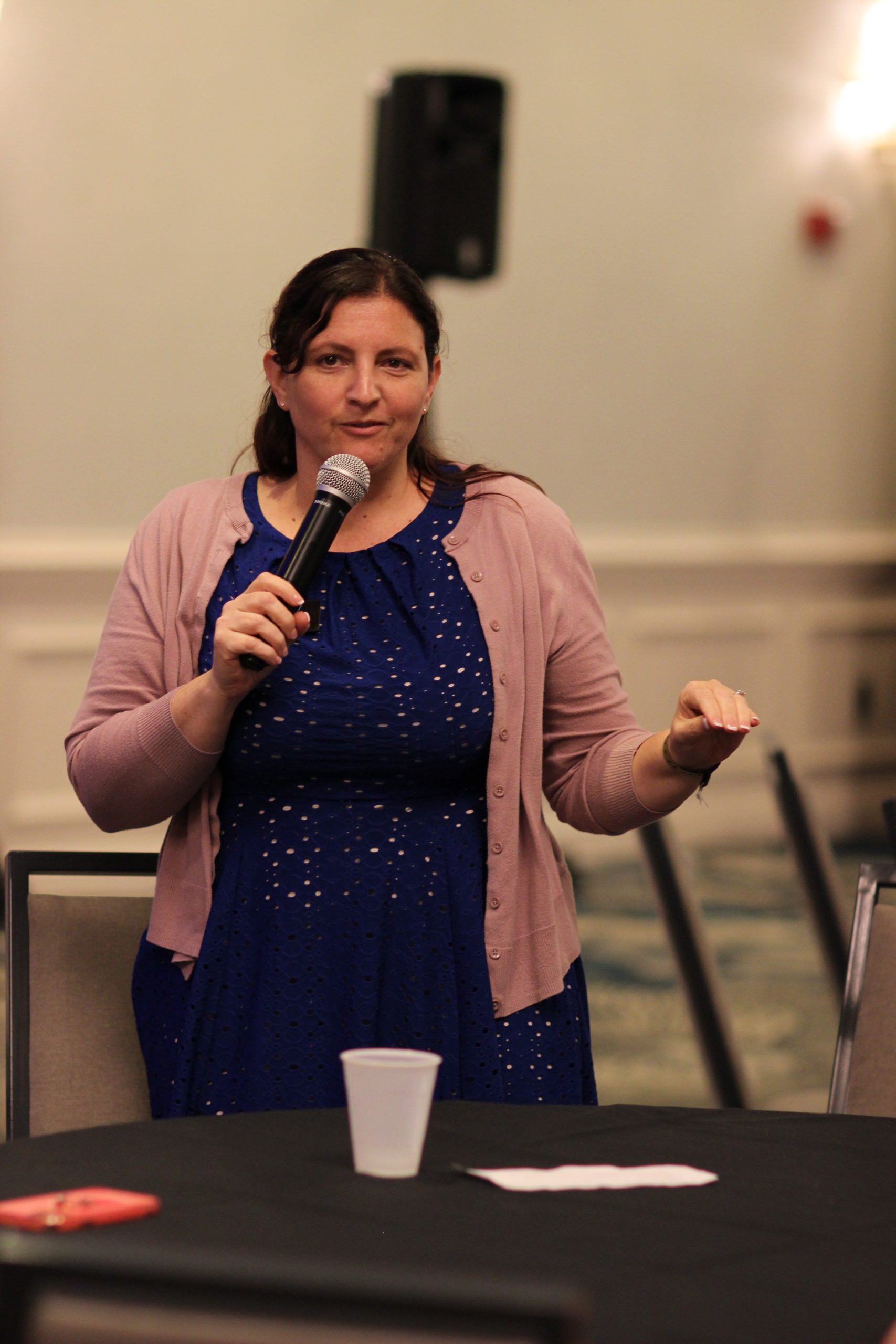
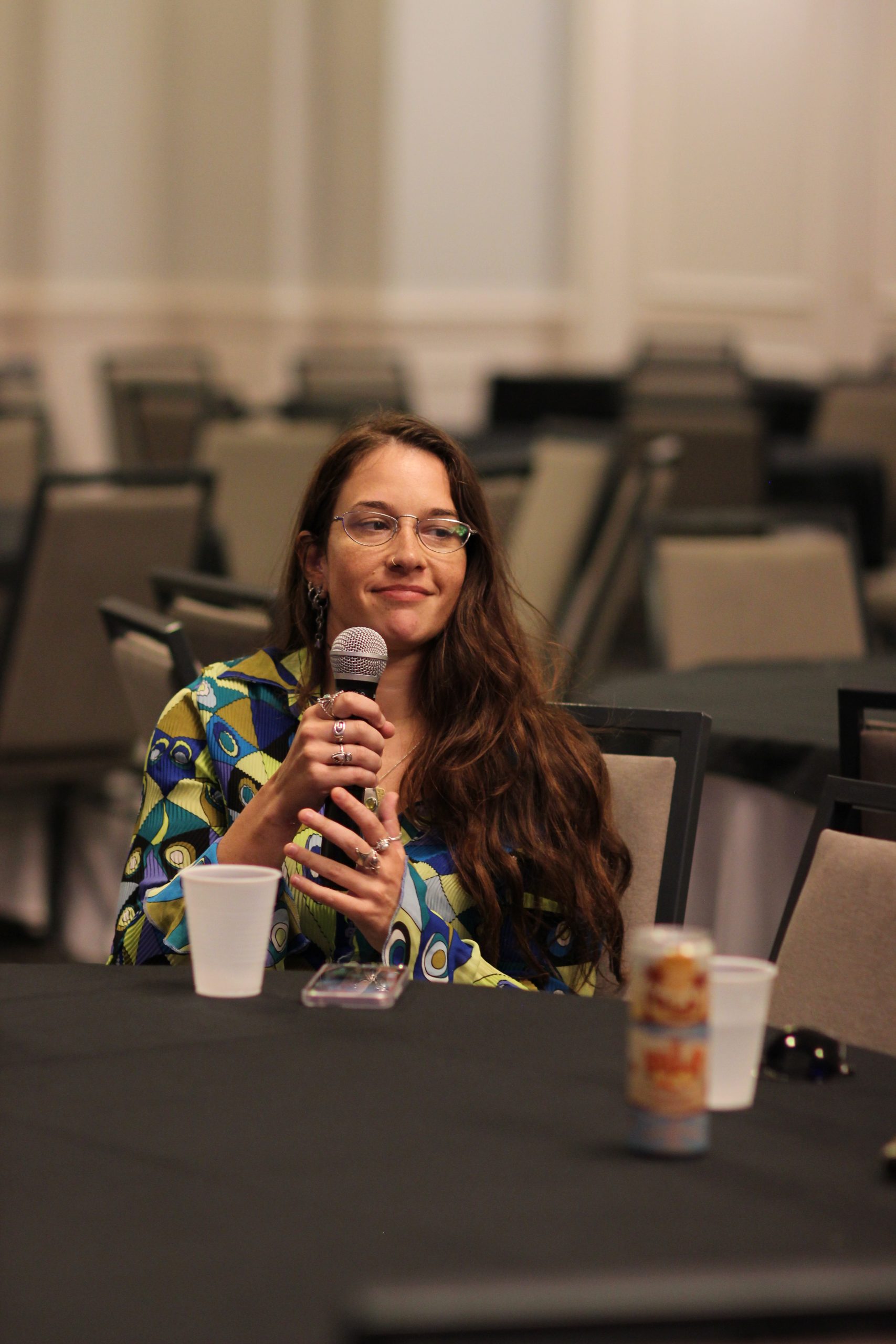
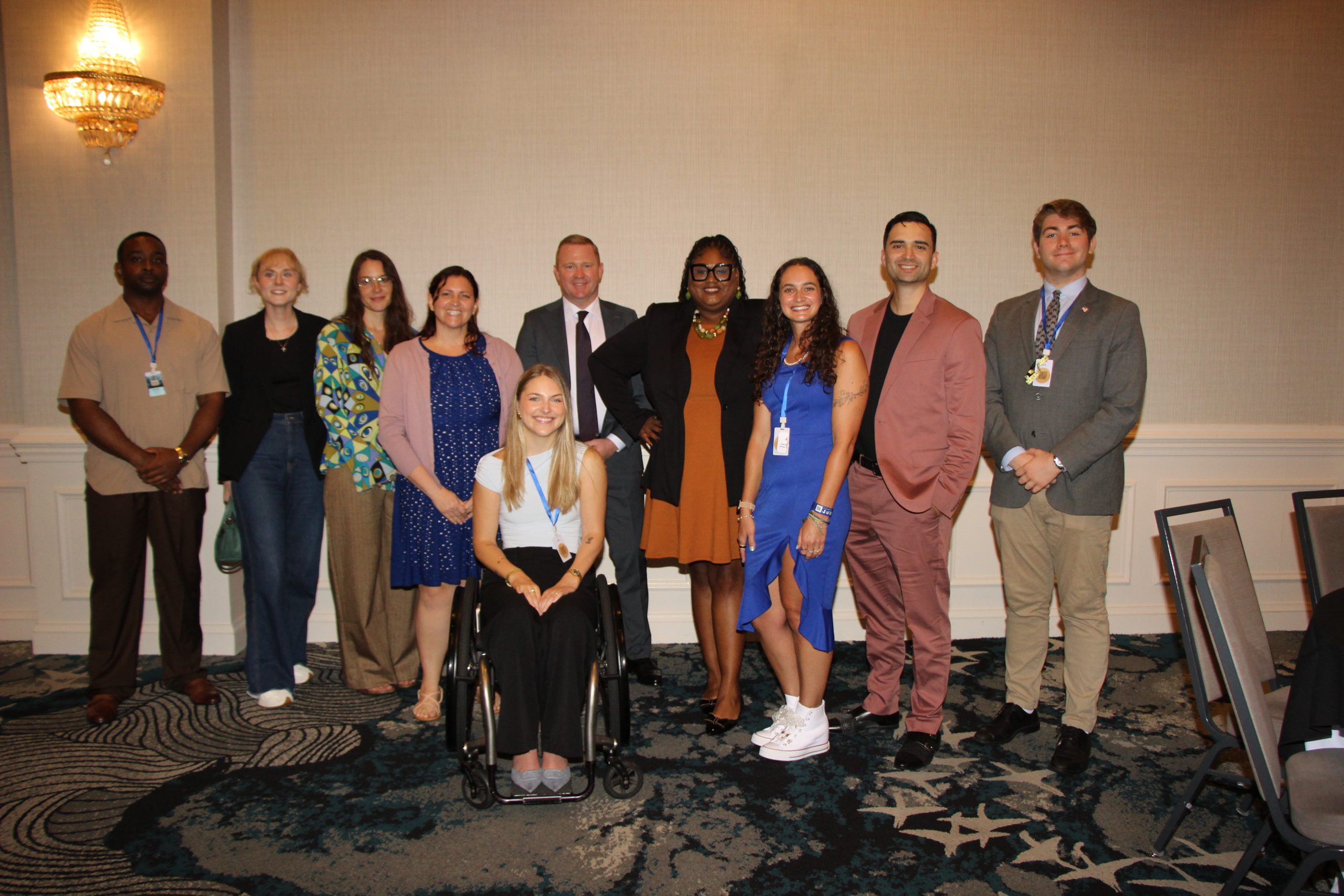
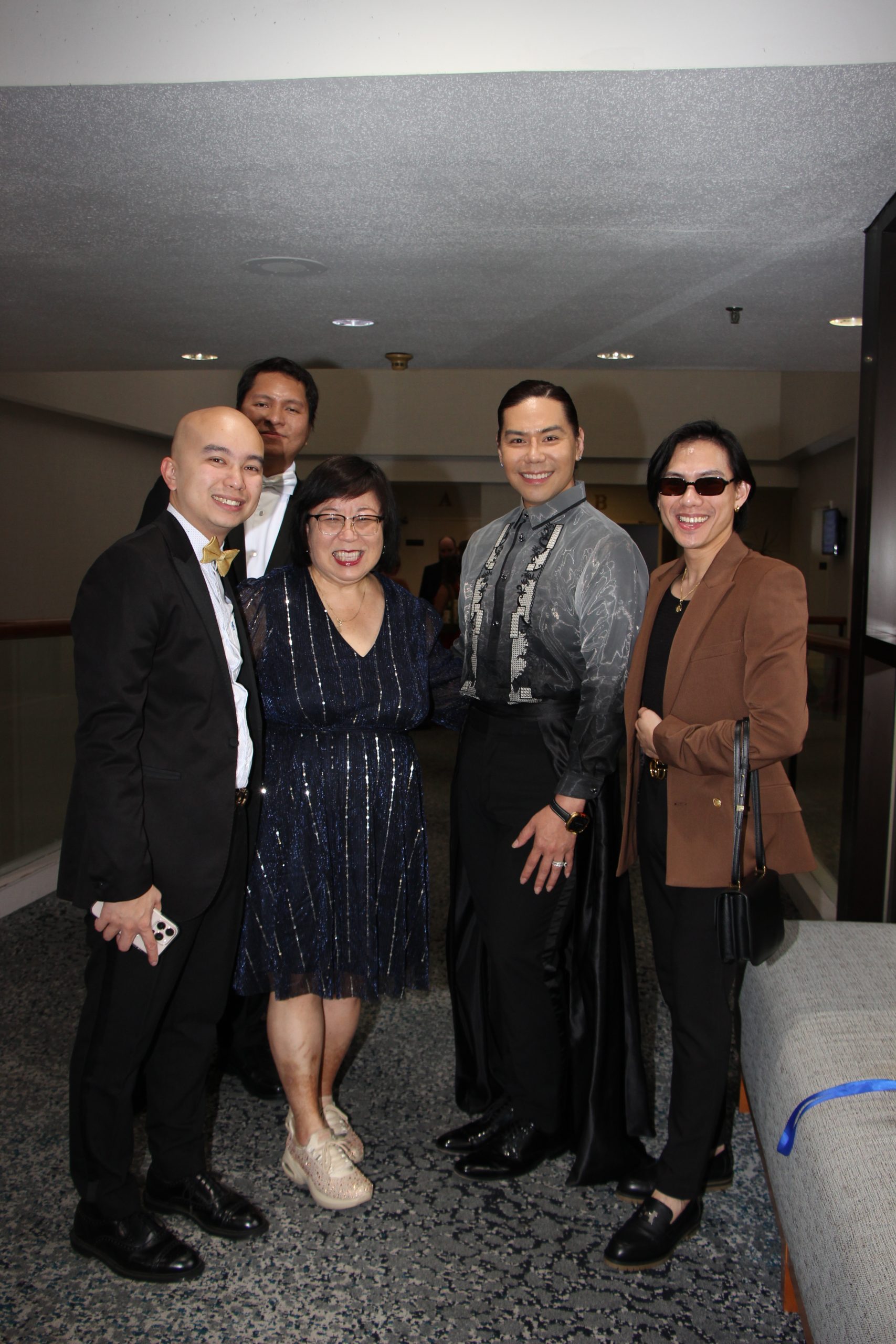
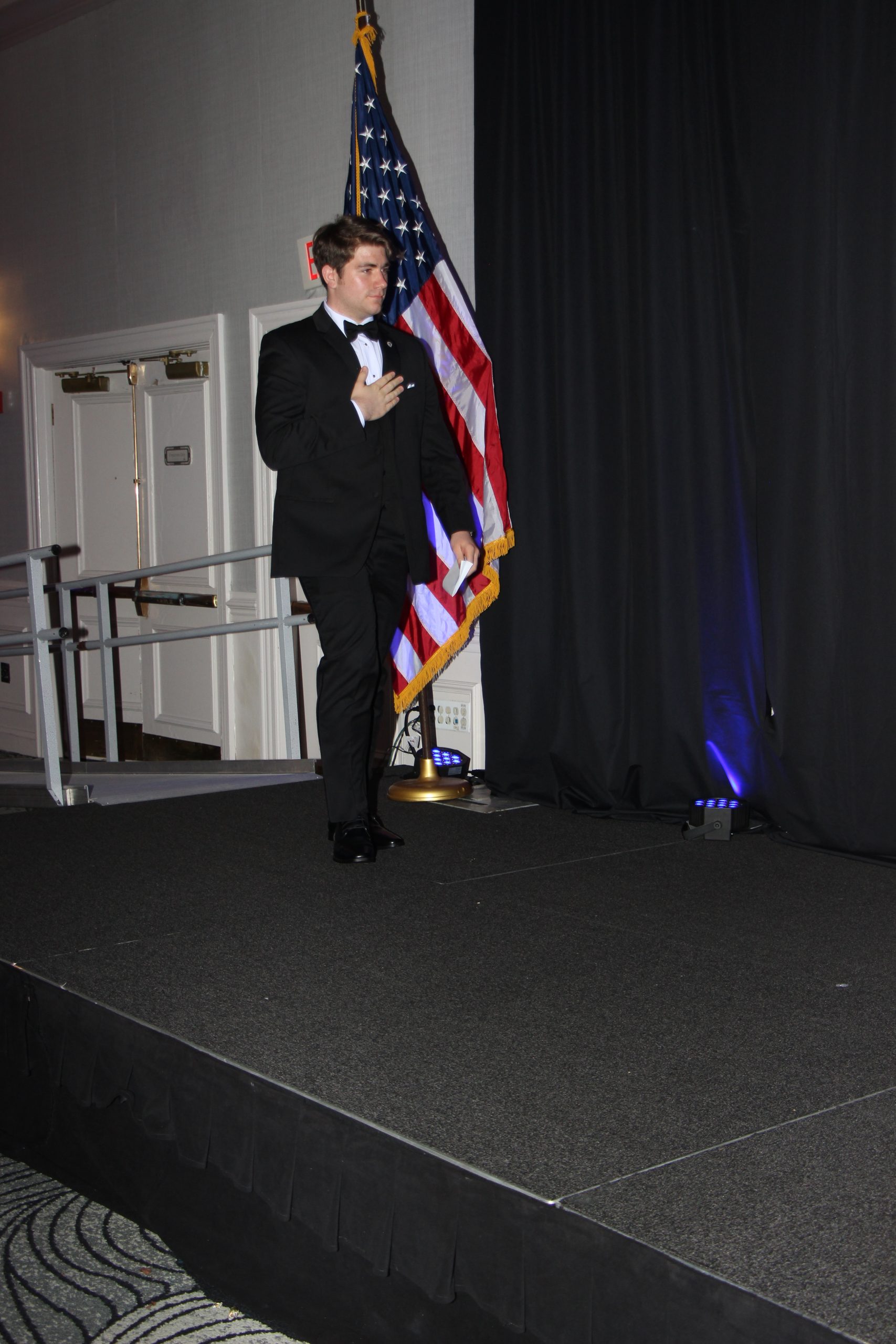
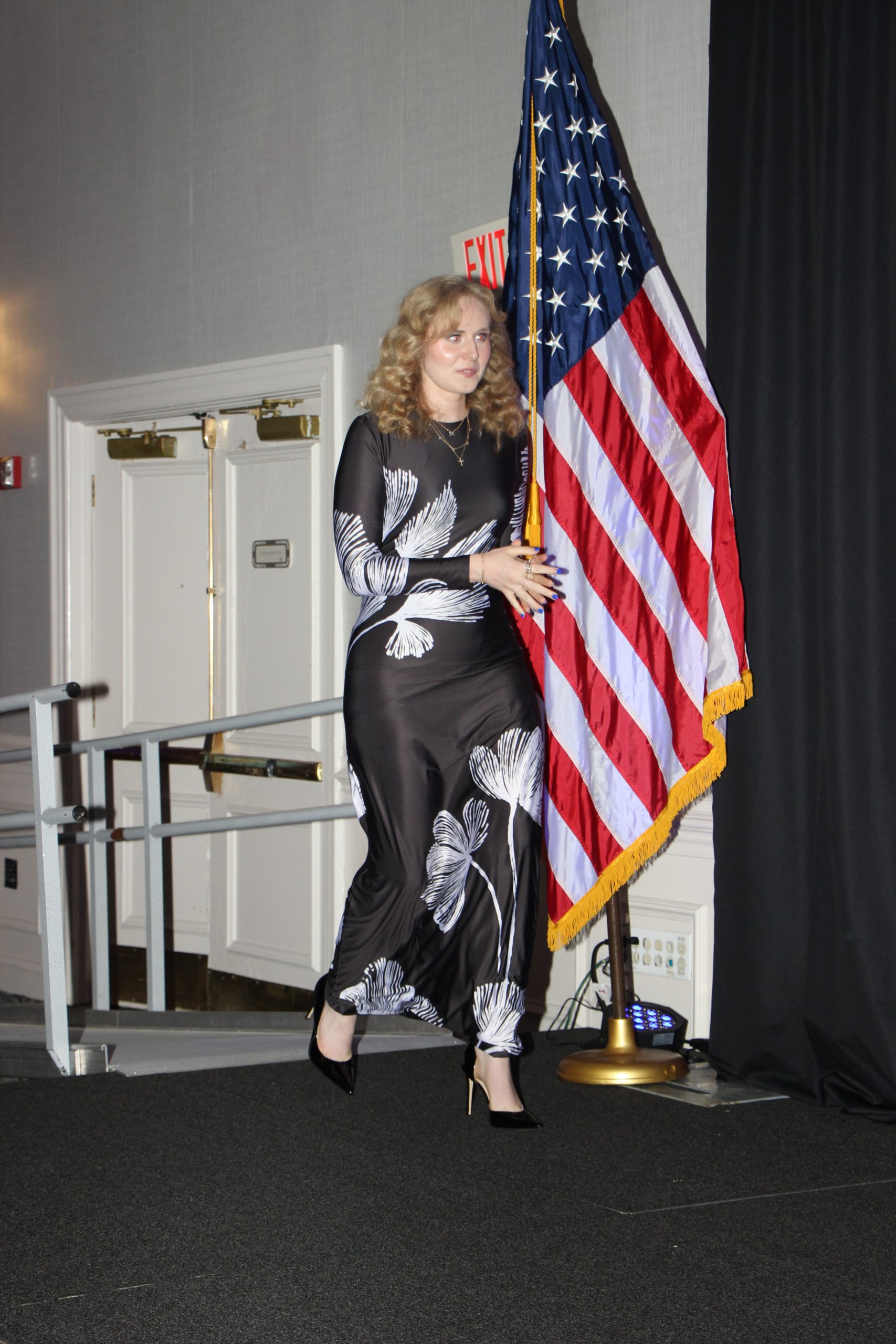
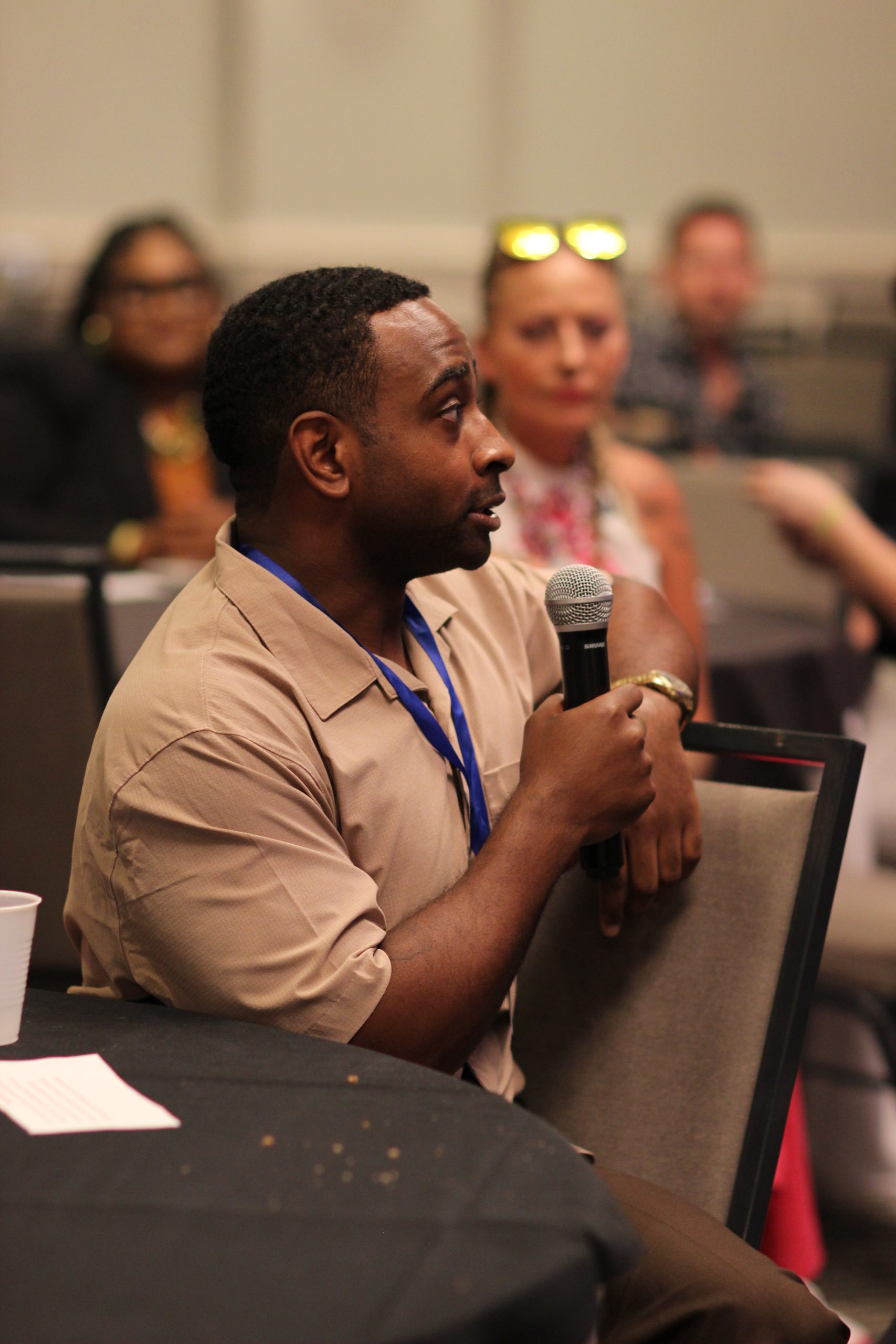
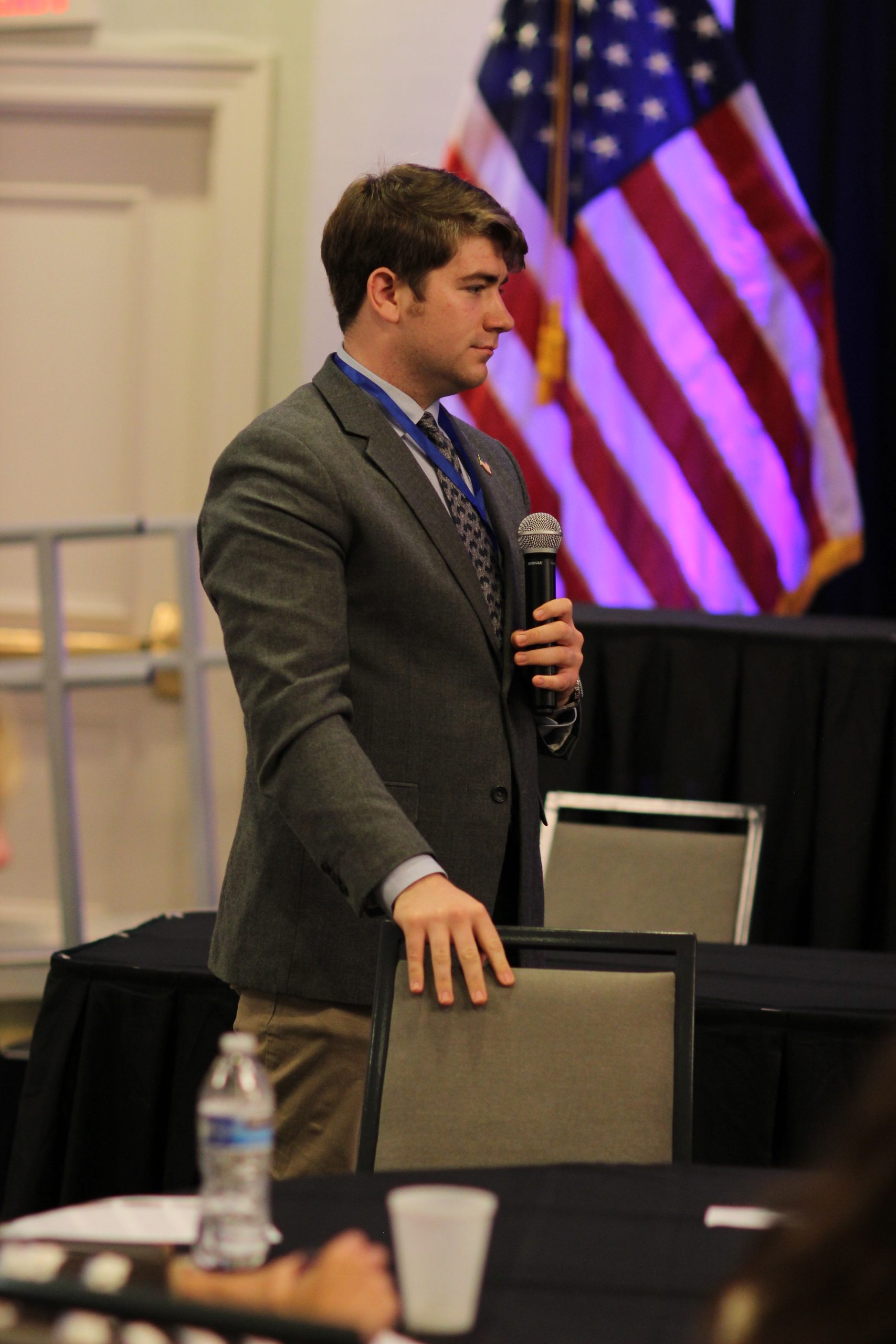
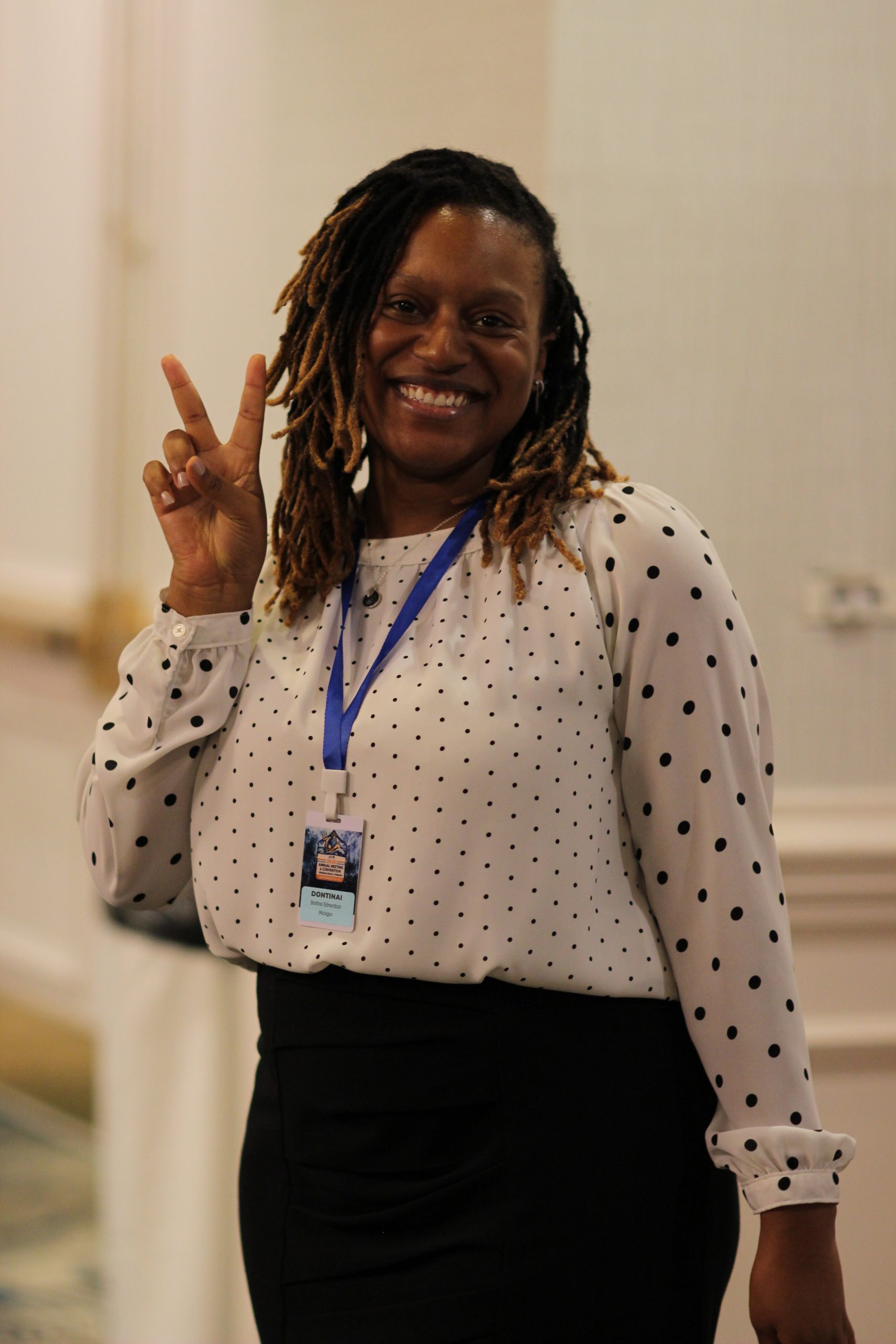
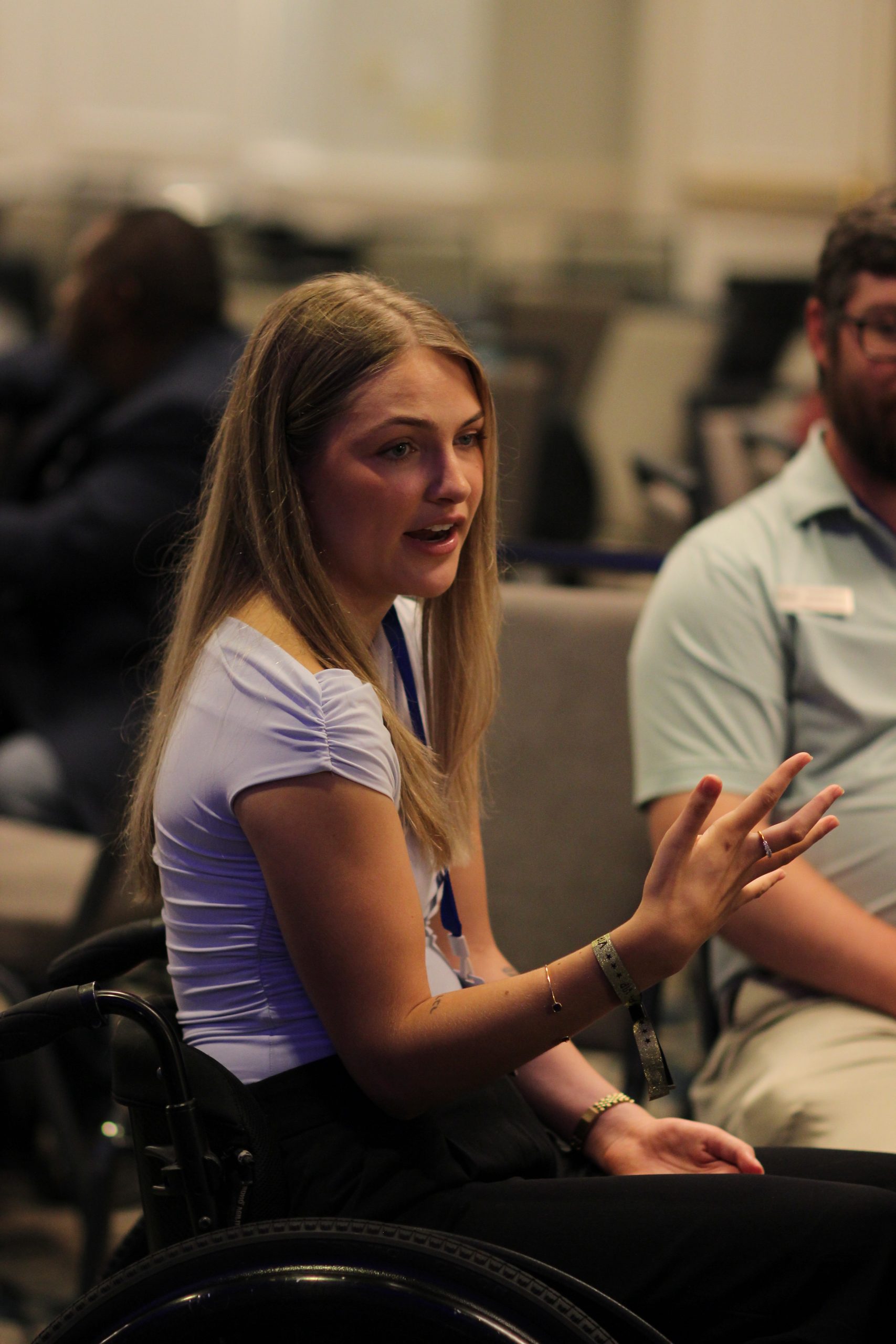
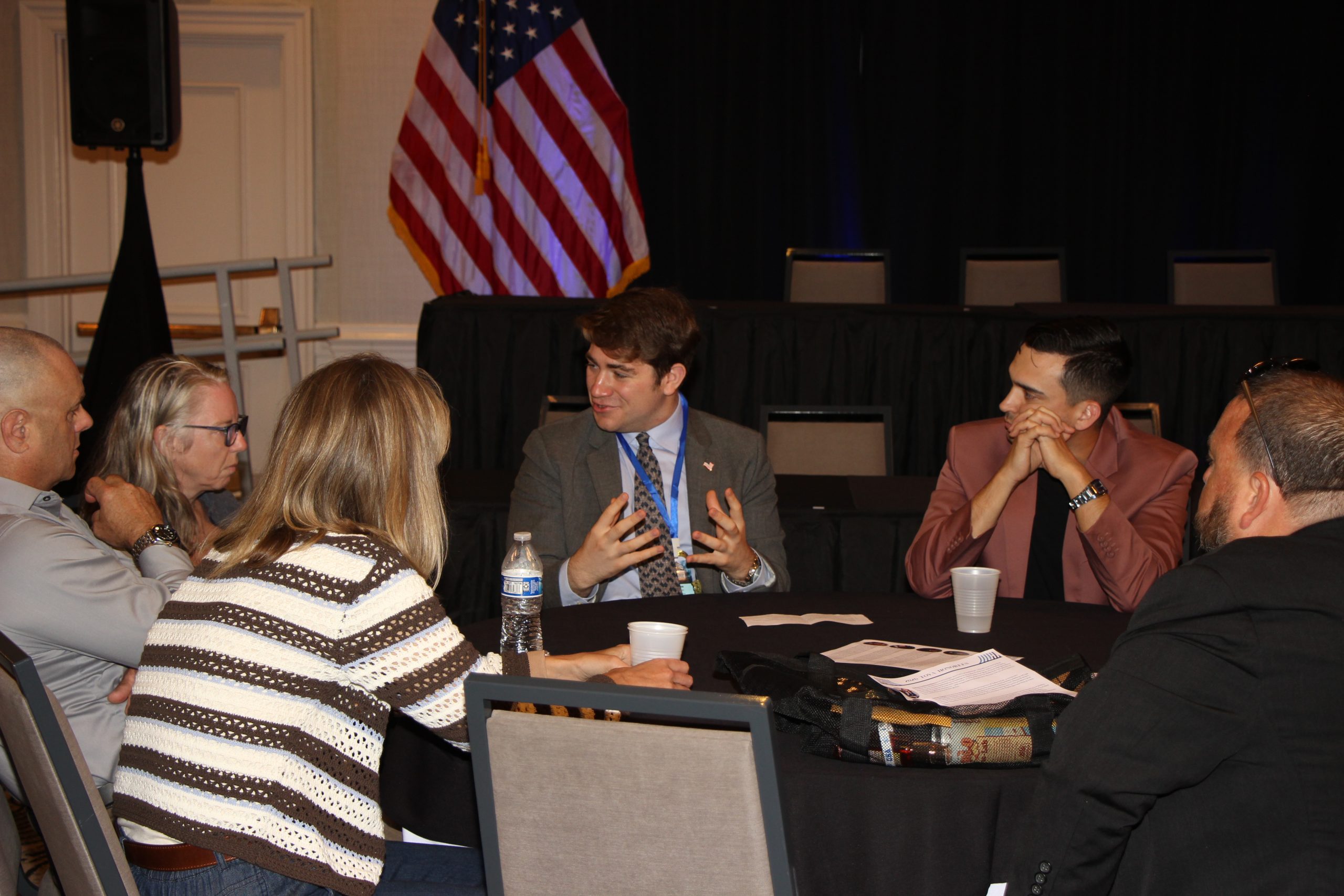
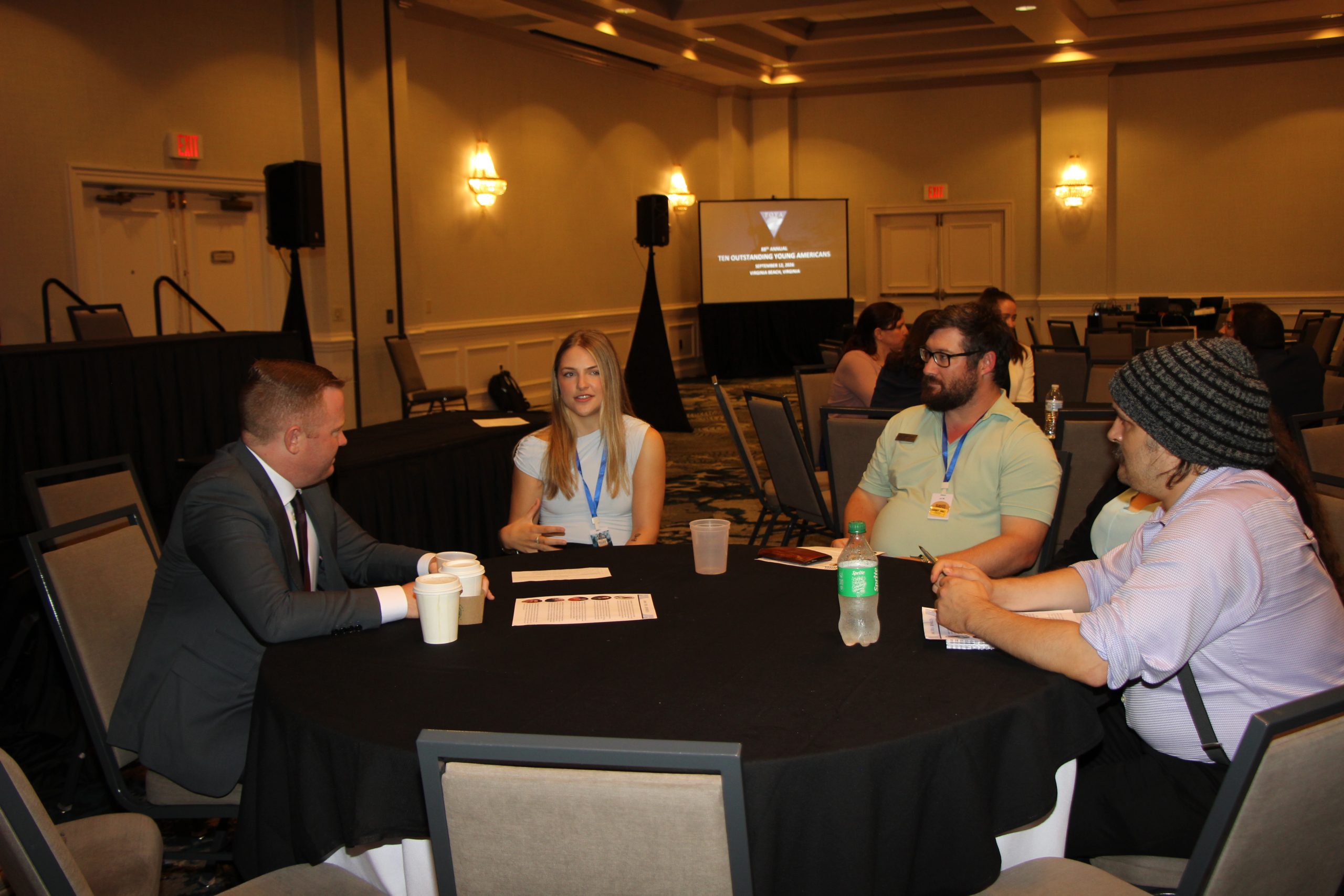
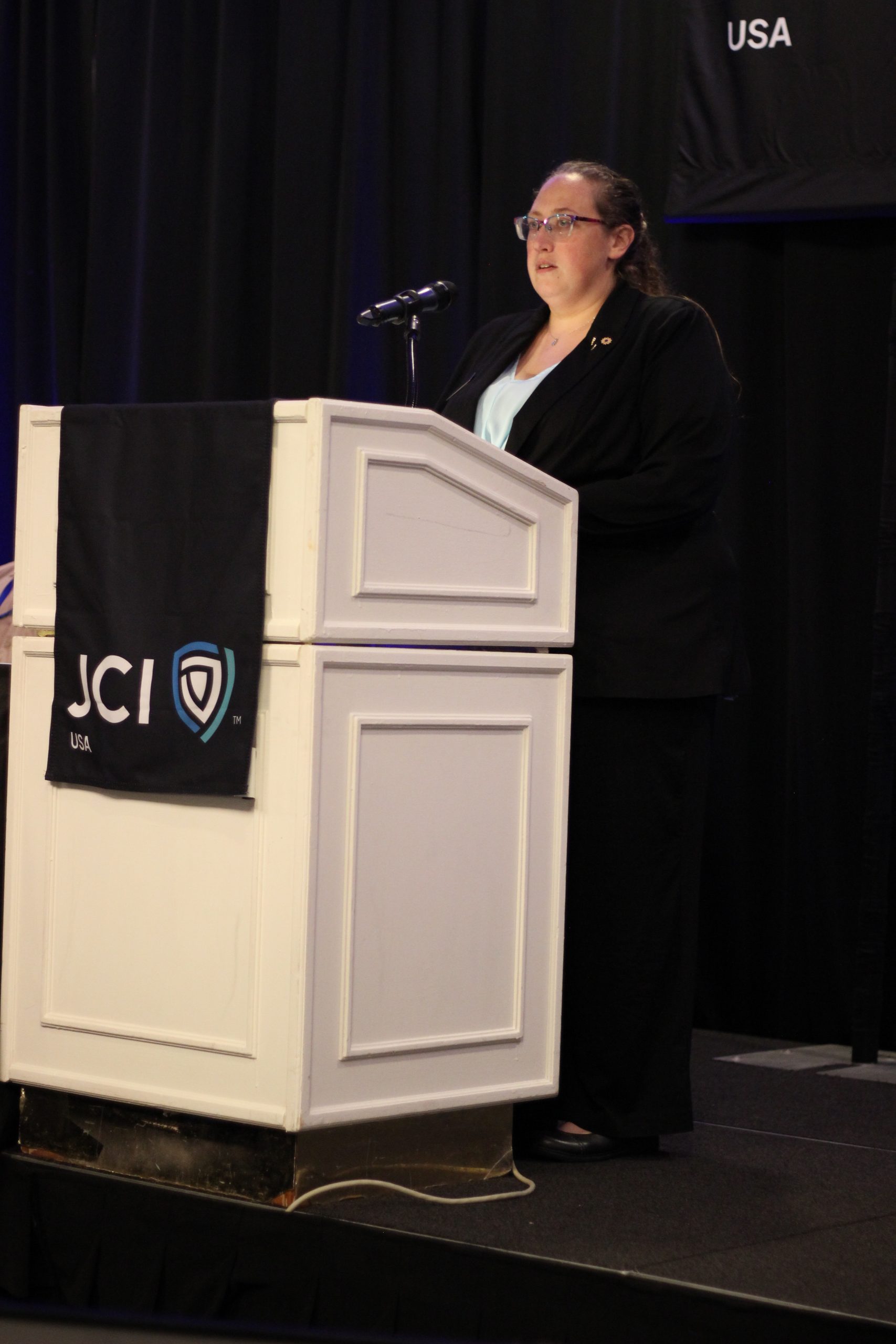
In recent years, the TOYA honorees are celebrated during JCI USA’s Annual Meeting. This often includes an interactive session where members can get to know the winners and learn from their expertise, followed by a formal gala where the trophies are presented. In 2026, the gala took place on September 12th in Virginia Beach, VA.
Recent Notable Honorees
Kenneth Smith (2025)
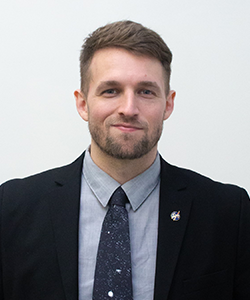
A 2026 JCI TOYP honoree, Smith is currently serving as the Deputy Launch Director and Anomaly Chief for Blue Origin’s New Glenn launch vehicle, leading mission-critical decisions during launch operations. Over a decade, his career has spanned five NASA centers, SpaceX, and Blue Origin, where he advanced programs including Commercial Crew and Artemis before leading system integration for Blue Origin’s MK2 Lunar Lander.
Major Julian Gluck (2023)
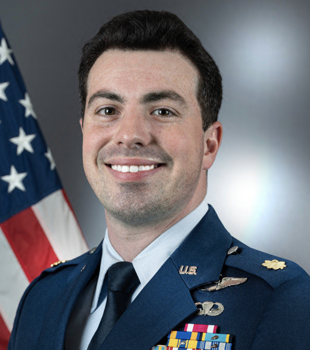
US Air Force officer, B-52 pilot, and advocate – recognized for his military leadership alongside extensive public service and veteran advocacy. Beyond TOYA, he was named to the Forbes 30 Under 30 list and awarded Air Force Company Grade Officer of the Year, making him one of the most visible young military leaders and public advocates in recent years.
David Holt (2018)
Elected Mayor of Oklahoma City in 2018 at age 39, the city’s youngest mayor in nearly a century and the first Native American to hold the position. He gained national prominence for leading major infrastructure projects, promoting bi-partisan civic unity, and serving as President of the United States Conference of Mayors.
Bobby Webster (2023)
Appointed General Manager of the Toronto Raptors in 2017 at just 32 years old, he became the youngest GM in the NBA at the time. He was a key architect in assembling the roster that won the Raptors’ historic first NBA Championship in 2019.
TOYP
Expanding to the international stage, JCI also leads a Ten Outstanding Young Persons program.
Since 1983, JCI has honored more than 300 individuals from 57 nations. TOYP utilizes the same categories as TOYA, and honorees are celebrated each year at World Congress.
Check out the JCI TOYP page to learn more about the most recent class of honorees!
Full List of Past Honorees
Since 1938, 750+ individuals have received the TOYA honor.
Click here to access the full list of past honorees.